In the Pantry
Is Baklava Halal? A 2026 Pastry Label Guide for Muslims
Updated 17 October 2026
A tray of baklava on the counter looks simple, yet the small print on a 2026 label is where the real questions live.
What baklava actually is, and why that matters for a halal check
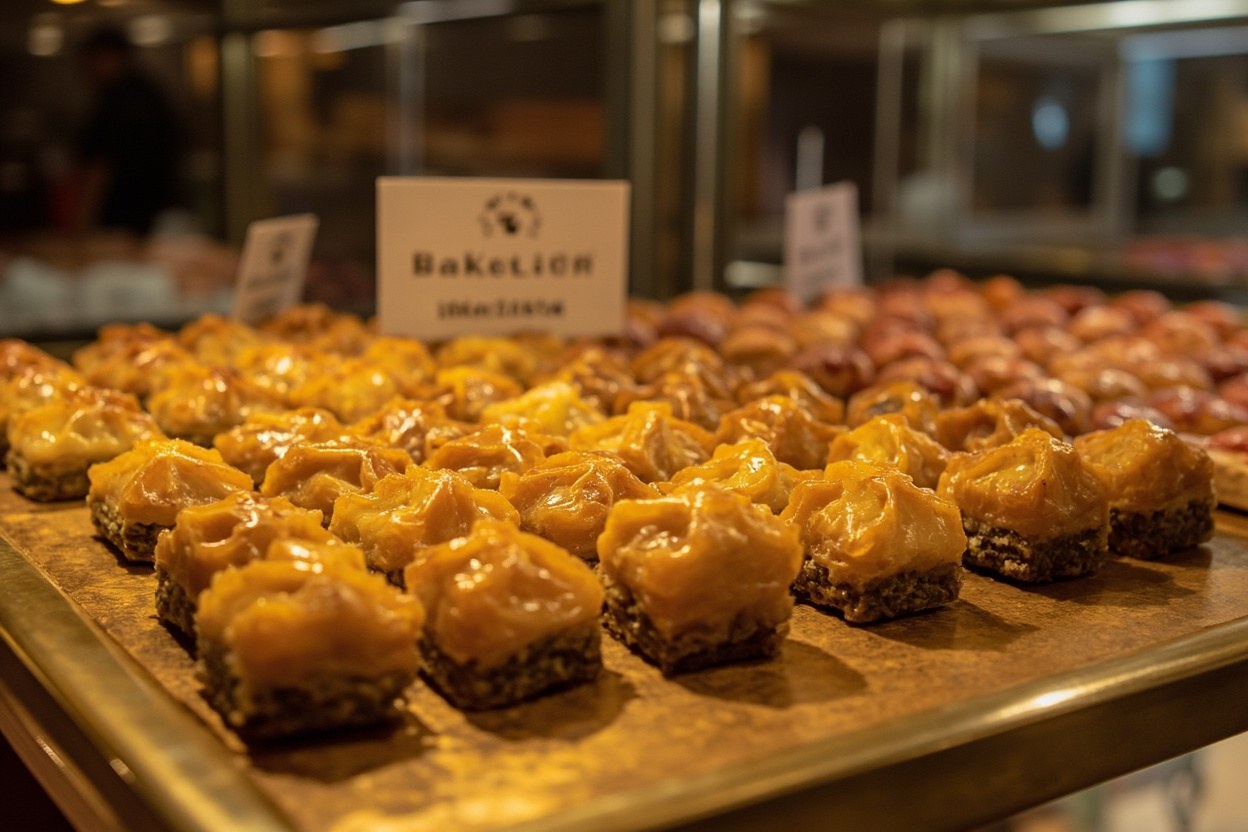
Baklava is a layered pastry of thin dough, nuts and a sweet syrup. The classic Turkish, Lebanese and Greek forms share the same skeleton: filo or phyllo pastry sheets brushed with fat, a filling of pistachios, walnuts or almonds, and a syrup poured over the cooked pastry that sets it. There is no meat in the dish and no animal blood product in the traditional recipe, so the question is not whether baklava is, in principle, haram. The question is what is hiding inside the fat, the syrup and the production line.
Three ingredients drive most of the work. The fat is usually butter, ghee or a vegetable oil. The syrup is usually sugar and water with lemon, rosewater or honey, though commercial versions can pull in glucose syrup, invert sugar and natural flavourings. The pastry is usually wheat flour, water, oil and a little vinegar or salt. None of these three is a problem on its own, which is why you will rarely see baklava on a haram list. The problems start at the edges of the recipe, where shortcuts or shared equipment come in.
That shape of the question - clean core, messy edges - is the same shape you will see in 2026 pastry labels for whole wheat bread and cocoa butter. The core ingredient is fine, the thing to scan is the supporting cast.
Where halal problems hide in a baklava label
Across 2025 and 2026, three label hotspots catch Muslims out. Each is worth a slow look before you buy.
1. The fat used for layering. Pastry labelled simply as "butter" is usually fine. Pastry labelled "ghee" can be fine, but only if the ghee is from a halal-slaughtered animal. Clarified butter made from cow or sheep milk is a real product, and a halal certifier will sign off on the dairy source. Pastry labelled with a generic "animal fat" or "shortening" without a plant source named is the warning sign, because it could be beef tallow from an unknown slaughter line. The 2025-2026 shift in European bakeries has been to label plant fats as "vegetable oil (palm, sunflower)" with no ambiguity. When a label is vague on the fat, ask the bakery which oil they use and whether the butter is from a halal-slaughtered animal. If they cannot answer, the safest read is to skip the tray.
2. The syrup and the glazes. Honey, sugar and water are halal. Glucose syrup, invert sugar and natural flavourings are halal in the vast majority of cases. The trap is alcohol used as a solvent in flavours and glazes. Rosewater is usually made by steam distillation and contains no residual alcohol, but rose essence made by solvent extraction can carry a small alcohol carry-over. Orange blossom water follows the same split. Vanilla extract is almost always alcohol-based. A 2026 pastry label that lists "natural flavouring" or "natural vanilla flavouring" is a question mark, not an answer. A label that lists "vanilla extract" is, in practice, a small amount of ethanol in a sugar-heavy syrup, and most contemporary scholars treat that as masked and overlooked, though stricter readings reject it. Rosewater on the ingredient list is the cleanest sign.
3. The shared line. A bakery that makes baklava in the same tray, on the same bench, or in the same fryer as meat or alcohol-bearing products is a real concern. Shared equipment is the issue that is hardest to spot from a printed label, because the label will not say "we also make pork sausage rolls on this bench." Halal certification in 2026 - covered in our guide to halal symbols - is the only reliable way through this. A recognised certifier audits the line, not just the recipe. A "no animal products" statement is not the same as halal certification, and a "vegan" stamp is not a halal stamp either, since vegan does not speak to slaughter or alcohol at all.
Reading a 2026 baklava label in 30 seconds
Use the four checks below in order. The first two are quick, the second two take a bit longer.
Check 1: Is the fat named? "Butter", "ghee", "vegetable oil (palm, sunflower)" - all clear. "Animal fat", "shortening" without a plant source - pause and ask.
Check 2: Is the syrup alcohol-free? "Sugar, water, honey, lemon juice, rosewater" - clear. "Natural flavouring", "vanilla extract", "spirit", "ethanol" - pause and ask.
Check 3: Is there a halal certifier's mark? Look for the body in your country - HMC, HFA, IFANCA, JAKIM, MUIS, SANHA, ICV, Halal Australia and so on. A 2026 mark should also carry a certificate number you can look up.
Check 4: Does the bakery make non-halal lines on the same site? This one needs a phone call or a stall-side question. A bakery that runs only sweets is easy. A bakery that also does meat pies, sausage rolls or alcohol-laced desserts needs a closer look.
If checks 1 and 2 pass and check 3 is yes, you are done. If checks 1 and 2 pass and check 3 is no, you can still proceed, but only if check 4 also passes. If any of the four fails, the tray goes back.
What about pistachio baklava, chocolate baklava and vegan baklava?
The filling is the easy part. Pistachio, walnut, almond, hazelnut and cashew are all halal. The variation in filling does not change the question - it is the fat and the syrup that do the work.
Chocolate baklava adds a coating of dark chocolate on top, which usually means cocoa mass, cocoa butter, sugar and a small amount of lecithin. Lecithin is almost always soy in 2026, and cocoa butter is halal - see our guide to cocoa butter labels. The real question in chocolate baklava is whether the chocolate contains any alcohol-based flavouring. Plain dark chocolate is usually clean. Flavour-loaded chocolate (orange, liqueur, brandy) is not.
Vegan baklava is a 2024-2026 trend that swaps the butter for plant oil and skips the dairy. That handles the animal-slaughter question, but it does not handle the alcohol-in-flavouring question or the shared-line question. A vegan stamp on a baklava box is a positive signal on fat, nothing more.
A comparison table for common 2026 baklava labels
The table below uses real product styles that sit on UK, US, Canadian, Malaysian and Turkish shelves in October 2026. It is meant as a reading guide, not a brand ranking.
Reading baklava labels at a glance (October 2026)
Plain pistachio baklava, butter, honey-sugar syrup, no flavourings: Halal status: Halal. Why: Named animal fat from dairy, simple syrup, no alcohol signal. Watch for: Ghee from unclear slaughter.
Plain walnut baklava, vegetable oil, sugar-water syrup: Halal status: Halal. Why: Plant fat, simple syrup, no alcohol signal. Watch for: Shared fryer with non-halal items.
Premium pistachio baklava, ghee, glucose syrup, rosewater: Halal status: Halal with certifier. Why: Ghee needs a slaughter audit, syrup needs an alcohol check. Watch for: "Natural rose flavouring" instead of rosewater.
Chocolate-coated baklava, butter, dark chocolate, vanilla extract: Halal status: Conditional. Why: Vanilla extract is ethanol-based. Watch for: Halal certifier ruling on alcohol in flavouring.
Assorted baklava, "animal fat", "natural flavouring": Halal status: Not verifiable. Why: Fat source unclear, flavouring source unclear. Watch for: Shared-line question is academic if the label is this vague.
Vegan baklava, palm oil, maple syrup, no dairy: Halal status: Halal with certifier. Why: Plant fat, syrup is alcohol-free. Watch for: Certifier still useful for the line audit.
This table is a reading guide, not a fatwa. When a label is unclear, ask the maker, then ask your local halal certifier.
When baklava is not halal, or not clearly halal
There are three settings where the honest answer is that baklava is not halal, or at least not provably halal in 2026.
The first is a pastry made with animal fat from an unknown slaughter line. If the label says "shortening" and the bakery cannot tell you whether the shortening is vegetable or beef tallow, and from which slaughterhouse, the answer is no.
The second is a syrup that openly uses alcohol. A 2025-2026 boutique trend has been "mastic and ouzo baklava", where the syrup is finished with a small pour of ouzo or arak. This is a real, sold product in some Greek and Levantine bakeries. The label will say "ouzo" or "arak" on it. That is haram by the standard rule on intoxicants, since the alcohol is not masked and is part of the dish.
The third is a bakery that openly runs pork lines on the same bench. This is rare in dedicated sweet shops and common in general bakeries that bake both. A phone call resolves it quickly.
A short home test for homemade baklava
If you are making baklava at home, the halal question is much easier. Use butter from a halal-slaughtered animal if you want a stricter read, or use a plant oil if you are happy with that. Use rosewater and orange blossom water, not rose essence or vanilla extract, for the syrup. Keep the filo separate from any meat cooking in the kitchen, and use a clean brush for the fat. There is no shared-line problem when the line is yours.
For the syrup, simmer sugar and water with a strip of lemon peel and a spoon of rosewater. Honey can be added at the end so it does not scorch. Let the syrup cool before pouring it over the hot pastry so the layers stay crisp. The finished tray keeps for a week in a sealed tin, which means the same tray can be the answer to "what's for pudding" for several nights running.
Common 2026 questions on baklava and halal status
Below are the questions readers send in most often. Each is a short read, and each links back to the longer guides on this site.
Is baklava halal in Islam? Plain baklava with wheat, nuts, sugar, honey and a halal fat is halal. The risk sits in the fat source, the alcohol in syrups or glazes, and shared equipment with non-halal lines.
Is the butter in baklava halal? Butter from a halal-slaughtered cow is halal. Butter from an unknown source is not verifiable. Vegetable oil is a clean substitute if you want to avoid the question.
Can Muslims eat baklava with alcohol in the syrup? A syrup that openly uses ouzo, arak or brandy is haram. A syrup that uses rosewater or orange blossom water is halal. A syrup with "natural flavouring" or "vanilla extract" is a question to take to your certifier.
Is filo pastry halal? Filo made from wheat flour, water, oil and salt is halal. Filo that lists "animal fat" or "lard" is not. Most 2026 filo in UK and US shops is plant-oil based and labelled clearly.
Is baklava vegetarian? Most baklava is vegetarian. Vegan baklava is a 2024-2026 product line that swaps butter for plant oil. Neither vegetarian nor vegan is the same as halal.
What to do when the label is silent
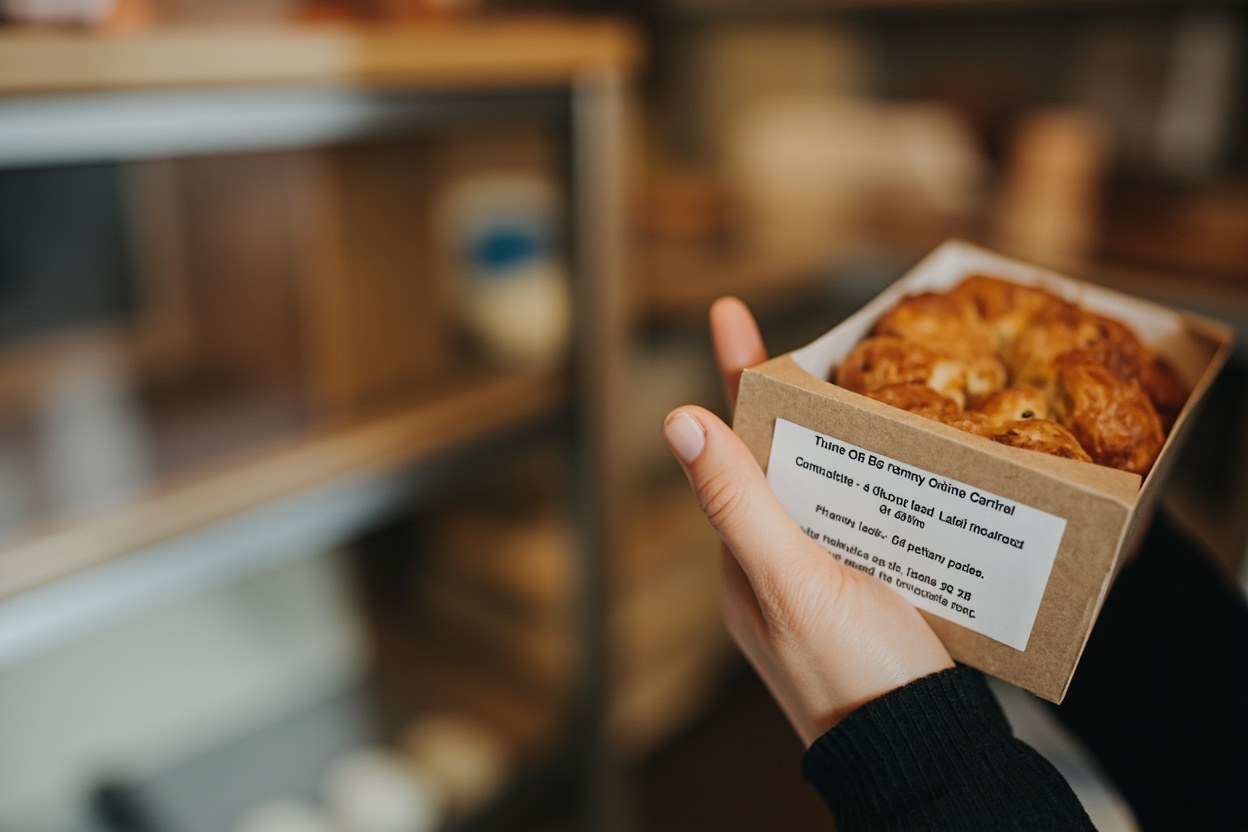
Plenty of small bakeries in 2026 do not print a full ingredient list on the box, especially for fresh trays sold by weight. The right move is to ask three short questions. Where does your butter come from. What is in your syrup. Do you run any pork or alcohol product on the same bench. A clear answer to all three is enough. An unclear answer to any of them is enough to put the tray back. Our guide to halal certification explains which symbols to look for when a bakery has a printed certifier mark rather than a verbal answer.
Quick answers
- Is baklava halal to eat?
- Plain baklava made with wheat, nuts, sugar, honey and a halal fat is halal. The risk sits in the fat source, the alcohol in syrups and glazes, and shared equipment with non-halal lines.
- Is the ghee in baklava halal?
- Ghee is halal when it comes from a halal-slaughtered animal. If the bakery cannot tell you the slaughter source, treat the ghee as not verifiable and ask for a vegetable oil version.
- Does baklava contain alcohol?
- Traditional baklava does not. Commercial baklava can, through vanilla extract, natural flavourings, ouzo or arak in the syrup. A label that lists rosewater or orange blossom water is the cleanest sign.
- Is chocolate baklava halal?
- Chocolate baklava is usually halal when the chocolate is plain dark chocolate. Chocolate flavoured with liqueur, brandy or a natural flavouring from an unknown source is a closer call and needs a certifier.
- Is vegan baklava halal?
- Vegan baklava is halal on the fat, since plant oil is not an animal product. It still needs the same check on the syrup and on the production line as any other baklava.
- Can I trust a "no animal products" label on baklava?
- No. A no-animal-products label is a positive signal on fat, but it says nothing about slaughter source, alcohol in flavourings, or shared equipment. A halal certifier's mark is stronger.
General information, not a fatwa. Where scholars differ, we try to say so. For your situation, ask a scholar you trust.