In the house / Pantry / Table
Is beeswax (E901) halal? What Muslims should know
Updated 6 October 2026
E901 sits on a surprising number of kitchen shelves, and almost no one thinks to check it.
What E901 actually is, and where it shows up
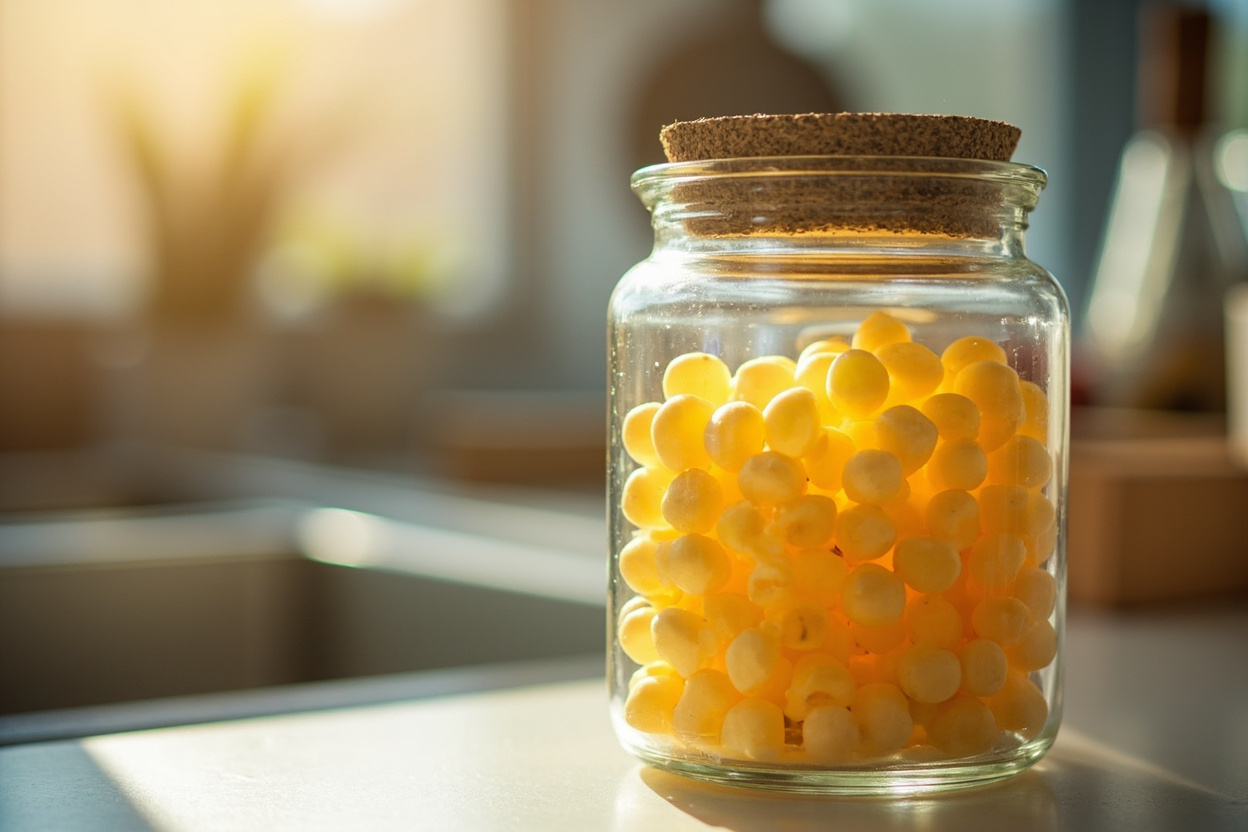
Beeswax is the natural wax secreted by honey bees to build the honeycomb. After the honey is extracted, the comb is melted, filtered and rolled into pellets or blocks. In food it is used as a glazing agent on apples, pears, confectionery, and the shiny coating on supplements and pills. It carries the European additive number E901, and the same material appears on ingredient lists as "beeswax," "cera alba" or "white beeswax."
The scholarly view: secretion of a permitted animal
Classical fiqh discussions on bee products, including honey and wax, generally treat them as permitted because the bee is a permitted creature and the material is a natural secretion rather than flesh. The permissibility of honey is settled in the Qur'an (Surah An-Nahl, verse 69), and beeswax is understood as part of the same wholesome output of the hive.
Contemporary halal certifiers reach the same practical verdict. The Malaysian Department of Islamic Development (JAKIM) and the Indonesian BPJPH both list beeswax as halal in their published guidance for additives, provided the supply chain is clean. Tanzif, the Italian halal certifier, classes beeswax as an additive that does not require animal slaughter, which makes routine certification straightforward.
Why the source hive matters, and what to ask
Commercial beeswax comes from apiaries, and most apiaries raise honey bees, which are the species used in mainstream food production. There is a separate product called carnauba wax, numbered E903, which is plant based and comes from the leaves of a Brazilian palm tree. That is not beeswax and is not relevant to this article.
For Muslim shoppers there are three practical questions to keep in mind. First, is the wax blended with anything derived from pork, for example as a cheaper filler in industrial glazes. Second, is the equipment shared with non halal production lines. Third, has the finished product been tested for any animal derived contaminants that might ride through on equipment surfaces.
Where E901 quietly turns up on a label
Reading the list below, you will notice how often E901 appears in products that are not obviously "wax" items. This is the part that catches shoppers out.
Food
- Glazing on whole apples, pears, plums, peaches, mangoes, citrus, applesauce cups
- Coating on chocolate, jelly beans, gummy sweets, and liquorice allsorts
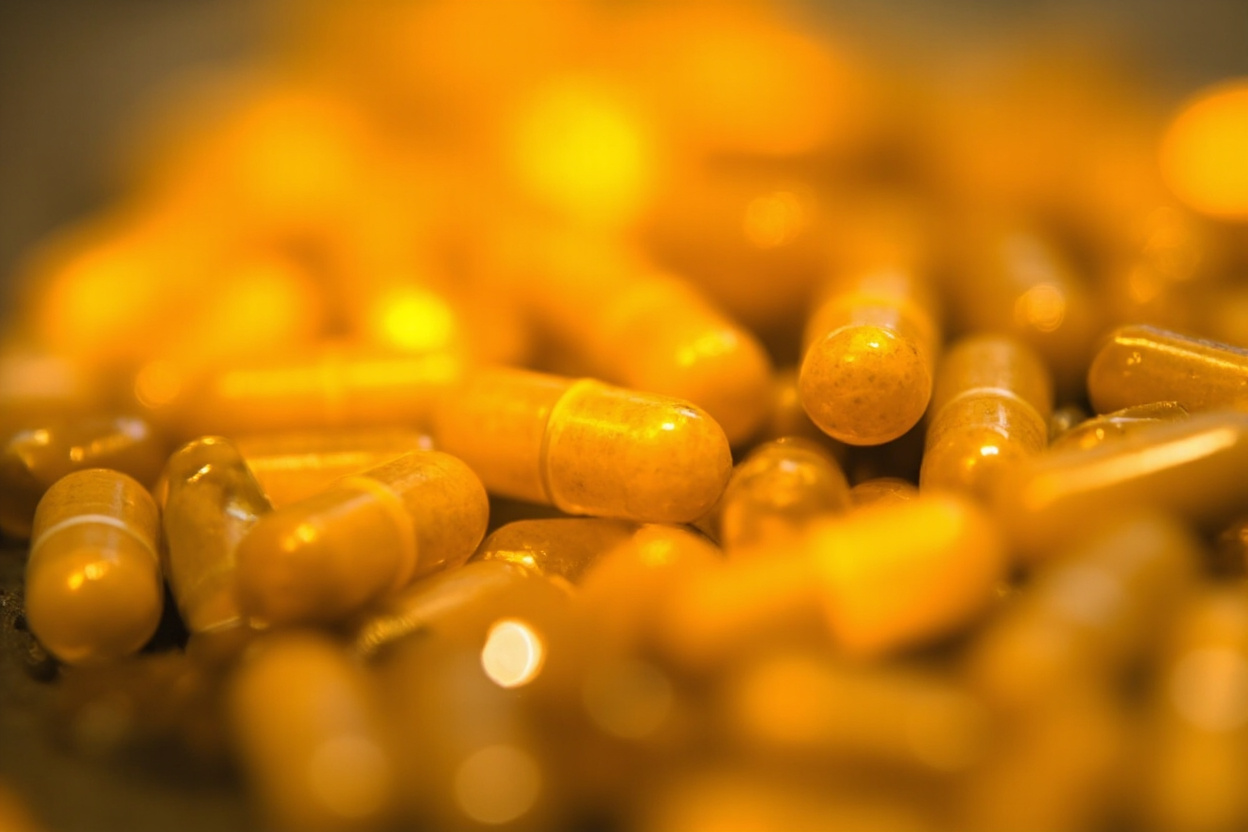
- Shiny outer shell of vitamin capsules, softgels, probiotic tablets, fish oil pills
- Cheese rind, especially on hard cheeses where it stops moisture loss
- Topping on dried fruit, trail mix, and certain breakfast cereals
Personal care and home
- Lip balm, moustache wax, beard balm, beard conditioner
- Natural deodorant sticks and body lotion bars
- Toothpaste and chewable dental gum
- Candles, particularly "pure beeswax" candles marketed as clean burning
Equipment sharing, and why halal certifiers still audit beeswax
If beeswax is halal on its own, why do halal bodies audit the factory at all. The reason is cross contamination. A typical food grade beeswax operation in Europe or China can run on equipment that also processes shellac, which is E904 and is sometimes confused with beeswax, or stearic acid, which can be animal or plant derived.
A halal audit on a beeswax supplier checks the following. The hive locations, the sugar feeding practices during winter, the wax melting facility, the storage drums, and the bulk tanker that delivers the wax to a food factory. Each step is a chance for residue from a previous run to enter the next batch.
For Muslim shoppers, the practical takeaway is that "E901 beeswax" on a label does not, by itself, confirm the finished product is halal. It only confirms the wax is not pork derived. The wider product still needs the usual checks.
E901 on supplements: the real worry is the capsule
Most halal questions on E901 are not about fruit glaze. They are about the shiny shell of a vitamin, probiotic, or fish oil softgel. People searching for the answer to whey protein or a halal multivitamin usually hit E901 part way down the ingredients list and want to know whether the whole tablet is now off the table.
Beeswax in cosmetics, what to check
Beeswax in lip balm, face cream, or natural deodorant is a recurring question. The wax itself is fine, and so is honey, but the formula can include ingredients that are not. Common additions in a beeswax balm are lanolin (wool wax), which is usually halal but is animal derived, tocopherol (vitamin E, sometimes plant, sometimes animal), and fragrance oils.
For a Muslim shopper, a halal cosmetic check still comes down to the full ingredient list, not the single presence of beeswax. The beeswax is the least of your worries. For lip balms, many Muslims simply use halal certified or vegan certified alternatives, which avoid beeswax altogether and make the question moot.
What to look for on a pack, in three quick steps
- Look for a halal or kosher mark from a recognised body. A kosher mark (OU, Star-K, CRC) is a strong indicator that the beeswax and the equipment are clean, though the broader product still needs the usual checks for fermented ingredients and rennet.
- Read the rest of the ingredients. If the only animal derived item is beeswax, and the other items are plant based or mineral, the product is usually fine. If there is gelatin, carmine, or shellac, the beeswax is the smallest part of the problem.
- Contact the manufacturer if the product is something you consume often, such as a daily vitamin. Most suppliers will share a halal or kosher status on request within a few working days.
Quick comparison: beeswax versus the additives it sits next to
| Code | Name | Source | Default halal status | Common watchpoint |
|---|---|---|---|---|
| E901 | Beeswax | Honey bee | Halal, subject to clean supply chain | Equipment sharing, pork derived blends |
| E903 | Carnauba wax | Brazilian palm leaf | Halal | Usually low concern |
| E904 | Shellac | Lac bug secretion | Halal in most schools, contested by some | Solvent and bleach use during processing |
| E120 | Carmine | Cochineal insect | Halal in most schools, contested by some | Used as colour, not wax |
| E441 | Gelatin | Animal skin or bone | Halal only with bovine or fish source, or halal cert | Common in capsule shells |
A short answer for the kitchen
For most kitchen use, E901 beeswax is the easy "yes" on the additive list. The glazing on a piece of fruit, the coating on a tablet, the wax on a cheese rind, none of these push the product out of the halal category on their own. The judgement that matters is the one you make on the whole product, not on the wax alone.
If the beeswax is the only animal derived item on the label, and the product carries a halal or kosher mark, you can usually move on. If you want a quick sanity check, a halal certifier's app will tell you the status in seconds, and the manufacturer will tell you the rest in an email.
Quick answers
- Is E901 beeswax halal by default?
- Yes. Beeswax is a natural secretion from a permitted animal and carries no slaughter or intoxicant issues. Cross contamination at the factory is the only meaningful concern for most products.
- Does E901 make a vitamin tablet haram?
- No. The beeswax layer is so small it does not change the halal status of the tablet. The capsule shell, gelatin, and shared equipment are the more relevant concerns.
- Can I use beeswax lip balm?
- Usually yes. Beeswax is fine, and most halal concerns on a lip balm come from lanolin, fragrance oils, or other additives, not from the wax itself.
- Is beeswax the same as shellac?
- No. Beeswax is E901 and comes from bees. Shellac is E904 and comes from the secretion of the lac bug, processed with solvents. They are sometimes used for similar jobs but are different materials.
- What about beeswax candles?
- Pure beeswax candles are generally considered halal, since burning the wax is not consumption. If the wick or fragrance is the worry, choose unscented, cotton wick candles from a brand that shares its supply chain.
General information, not a fatwa. Where scholars differ, we try to say so. For your situation, ask a scholar you trust.