In the Pantry
Is Cocoa Butter Halal? A 2026 Label Guide for Muslims
Updated 6 October 2026
Cocoa butter is the quiet half of a chocolate bar, and the loud reason your lipstick glides, so it pays to know what is in the tub.
What cocoa butter actually is, and why it is almost always plant based
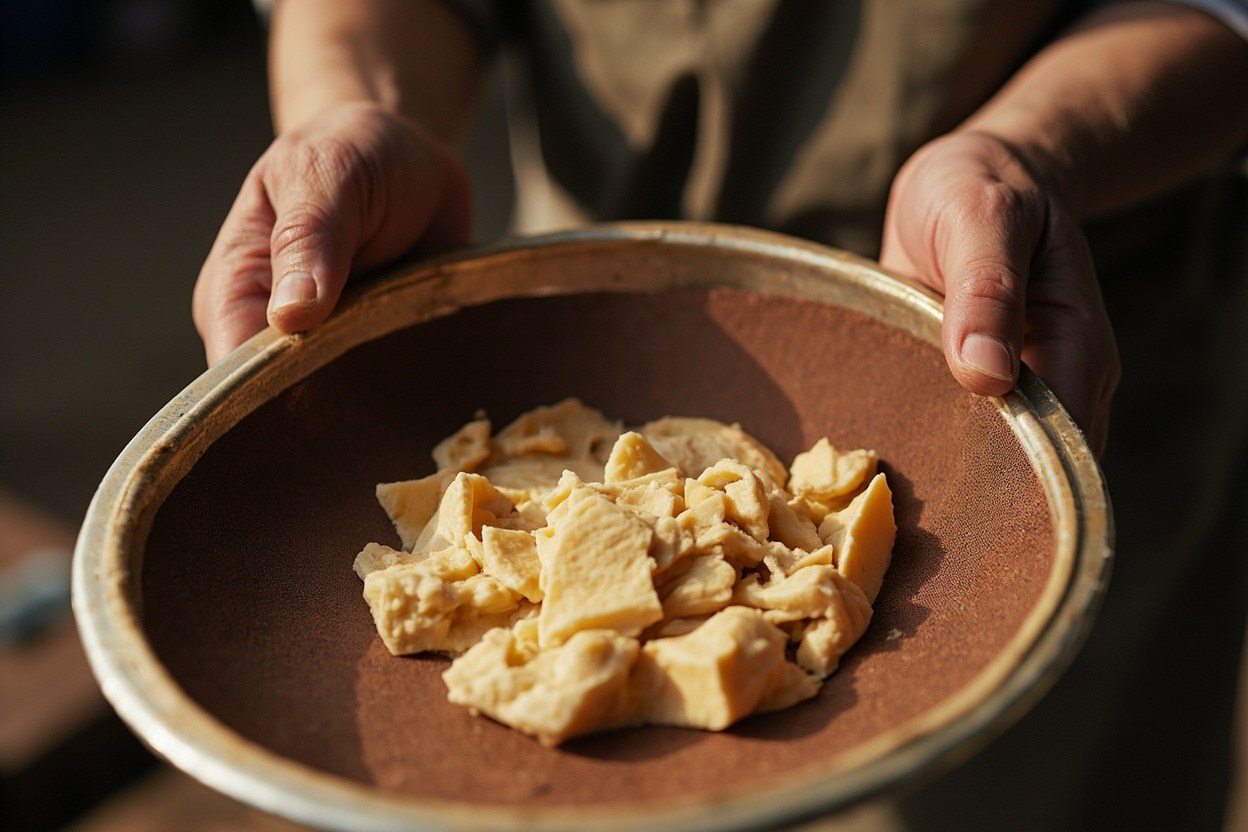
Cocoa butter is the pale, brittle fat that is pressed out of roasted cacao nibs when chocolate is being made. The nibs go into a hydraulic press, the fat runs out, and what is left becomes cocoa powder. The fat is what becomes the smooth, melt on the tongue feel of a bar of dark chocolate, and it is also a very stable fat, which is why food makers, cosmetic chemists and even some tablet binders reach for it. Because the source is a bean, not an animal, the raw material is halal in the most straightforward sense of the word.
The confusion starts in the factory. After the press, cocoa butter is often deodorised, which means it is steamed under a vacuum to take the strong chocolate smell out of it, so it can be slipped into a moisturiser without making you smell like a bakery. The steam step is fine. The worry is the line next door, or the same line on a different day, handling tallow, which is rendered animal fat, or pork fat, which is sometimes used in cheaper chocolate products outside the UK and EU. Shared equipment is the live question, not the bean.
For most British shoppers in 2026, this is a small worry. UK chocolate makers have spent decades removing pork fat from recipes because the Muslim, Jewish and vegetarian markets are large enough to matter, and EU rules on chocolate composition (the Chocolate Products Regulations 1992, as amended) limit what can be called milk chocolate or plain chocolate anyway. So the realistic risk in a British supermarket is shared equipment rather than a deliberate animal fat in the bar.
That said, halal status is not only about the ingredient. It is also about cross contact. Cocoa butter that is deodorised on a line that ran tallow the day before, with a shared steamer and a shared filter, is a different product from cocoa butter pressed on a line that has only ever seen plant fat. The first is doubtful for many Muslims, the second is fine. The label rarely tells you which is which, which is why certifier marks and a few smart questions exist.
For a primer on how cross contact shapes a verdict rather than a black and white rule, the halal certification in 2026 guide on IslamHood walks through which symbols are useful and which are decorative.
How cocoa butter is made, step by step
The starting point is the cacao bean, which grows inside a pod on a tree. The beans are fermented, dried, roasted, then cracked, and the thin shell is winnowed away to leave the nib. The nib is about 50 to 55 percent fat by weight, the rest being cocoa solids, fibre and a small amount of moisture. Pressing the nib is the moment cocoa butter appears.
There are two common presses. A traditional hydraulic press squeezes the nib under high pressure, often in a warm room, and the fat runs out as a clear golden liquid that sets pale. A screw expeller uses a rotating screw to crush the nib, which generates more heat and a slightly different flavour. Both are mechanical. Neither needs anything animal. The leftover cake is milled into cocoa powder.
What happens next decides the question. Some users, especially in cosmetics, want a neutral smell, so the fat goes into a deodoriser, which is a sealed vessel where steam is pulled through under vacuum for a few hours. The steam takes the volatile aroma compounds with it. The fat comes out bland. Food grade cocoa butter for chocolate is usually only partially deodorised, because you want the chocolate smell. Cosmetic grade is more thoroughly deodorised. Neither step introduces animal fat.
The moment a halal question can creep in is when the deodoriser or the press is also used for other fats. Tallow deodorisation is a real industry, because tallow goes into soap, candle and biodiesel feed. If a contract deodoriser runs tallow on Monday, cocoa butter on Tuesday, and only flushes the line with steam in between, the cocoa butter will carry trace fatty acid markers that a lab test can pick up. Whether that matters fiqhly is a separate question, but for a shopper who wants certainty, it is the practical gap that certifiers try to close.
If you want to compare this with another pressed ingredient that gets the same line sharing worry, the halal status of palm oil on IslamHood goes through a similar story, where the bean or fruit is fine and the question is the refinery.
Where you will find cocoa butter on a UK label
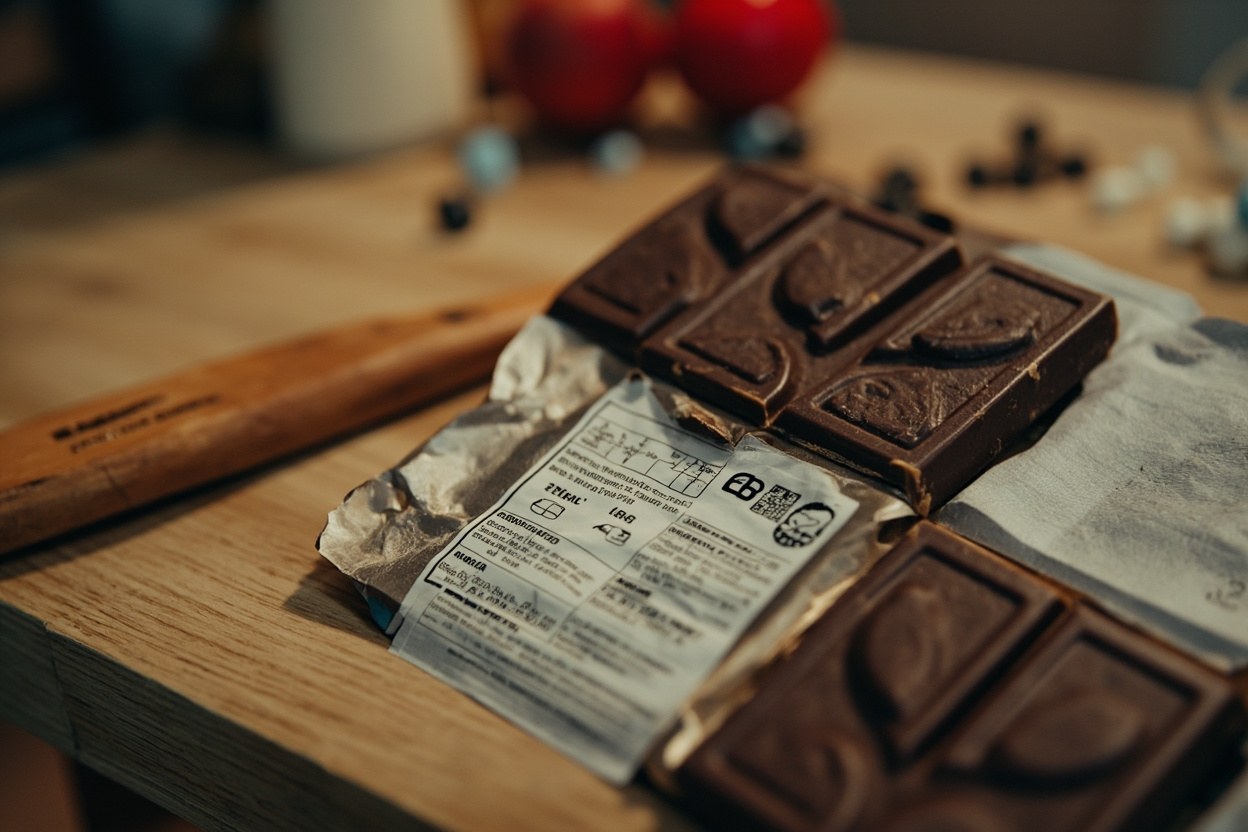
Open the kitchen cupboard and cocoa butter is in more places than most people think. Dark chocolate is the obvious one, and the percentage on the front is roughly the cocoa solids plus the cocoa butter, so a 70 percent bar has a meaningful amount. Milk chocolate has less, but still some. White chocolate is essentially cocoa butter, sugar, milk powder and vanilla, with no cocoa solids, so the cocoa butter is doing all the flavour work.
Step past the sweet aisle and cocoa butter shows up in biscuit fillings, in chocolate covered nuts, in chocolate ice cream, in drinking powder, and in the chocolate shell of a Magnum or a Cadbury Flake. Read the ingredients list and you will often see cocoa butter listed alongside cocoa mass, sugar and emulsifier. If a product says vegetable fat instead of naming it, and the fat is used to mimic cocoa butter, it could be palm, shea or a blend, and that is its own question.
Outside food, cocoa butter is in lipstick, in body butter, in stretch mark creams, in some sunscreen balms, and as a tablet lubricant in pharmaceuticals. The label rules for cosmetics are different. INCI names, the international cosmetic ingredient names, list Theobroma Cacao Seed Butter, which is the same thing, and the halal question for cosmetics uses the same logic: source, line, cross contact.
For a related pantry question, where the worry is usually a hidden animal ingredient rather than the line, the soy sauce halal guide shows how a fermented plant product can pick up a doubtful step on the way to the bottle.
The two real questions a Muslim shopper should ask
The first question is what touched the fat. If the cocoa butter is pressed and deodorised on a plant only line, the answer is simple: halal. If the line also runs tallow, you are in shared equipment territory, and the answer depends on whether the flush between runs is enough, and on which scholar or certifier you follow. The UK certifiers tend to require a dedicated line or a documented clean down, plus lab testing for animal fat markers, before they put their mark on a chocolate or cosmetic product.
The second question is whether anything else was added. Cocoa butter is sometimes sold blended with other vegetable fats to make it cheaper to work with, and EU chocolate rules allow up to 5 percent of added vegetable fat other than cocoa butter, as long as it is declared in the same way as an additive. Those added fats are usually palm or shea, and they are fine. If a chocolate is a compound chocolate, often used for cheaper coatings, the fat may be palm or coconut instead of cocoa butter, and the word chocolate on the front is doing less work than you think.
Reading the label well is the only way through this. Cocoa butter as a named ingredient, on a UK or EU product, from a mainstream brand, with a recognised halal mark, is halal. Cocoa butter as a hidden part of a vegetable fat blend, on a product that does not name its fats, is a question to put to the maker rather than a verdict to make yourself.
For more on how a label can mislead, and what a listing on a website cannot promise, the IslamHood guide on listings and verification is worth a read.
Cocoa butter, palm oil and shea: a quick comparison
These three plant fats are the ones most often swapped for each other in food and cosmetics, and the halal status of each is similar in spirit. The plant is fine, the line is the question. The table below pulls the differences into one place.
Cocoa butter vs palm oil vs shea butter, at a glance
Cocoa butter: source is the cacao bean, pressed from the nib, used in chocolate and cosmetics. The halal worry is deodoriser lines that also run tallow. Certifier marks from HMC, HFA or IFANCA on chocolate cover this for the UK market.
Palm oil: source is the palm fruit, pressed from the mesocarp, used in biscuits, spreads, soap and many more. The halal worry is the refinery and the ship, which sometimes carry lauric fats of animal origin. The palm oil guide on IslamHood goes deeper.
Shea butter: source is the shea nut, hand or mechanically extracted, used in cosmetics and some chocolate as a cocoa butter equivalent. The halal worry is lower because extraction is usually small scale, but the same line question can apply in large processors. INCI name is Butyrospermum Parkii Butter.
All three are plant based at source. All three can be doubtful if the line runs animal fat. The label, the certifier, and the question you put to the maker are the deciding tools in every case.
What about chocolate sourced from regions with weak regulation?
Most UK chocolate is made by a small number of large companies, and the supply chain is well documented. Cocoa butter is a traded commodity on the ICE Futures exchange in London and New York, and the lots are graded for acidity, moisture and free fatty acids. A halal concern is rare in this trade because the buyers are large and the lots are tested.
Where regulation is weaker, the worry rises. Cocoa butter pressed in a small facility that also renders tallow for local soap makers, with no clean down between runs, is a real case in parts of West Africa and South Asia. For a UK shopper, the risk is small because the major brands buy from large, audited processors. For a shopper buying chocolate or cocoa butter directly from a small importer, a question to the importer about cross contact is fair and useful.
The same logic applies to cocoa butter sold in jars for home use, often marketed for skin and haircare. Many of these are fine, and a UK seller will usually have a UK or EU cosmetic regulation file behind them. A small import from a market stall, with no batch number and no contact details, is a different kind of purchase and a different kind of question. If a product says 100 percent cocoa butter, with no other ingredients, and is sold in a sealed jar with a batch number and a UK address, it is usually fine.
Practical steps before you put it in the basket
Reading the label takes a minute and saves a question. Look for the word cocoa butter rather than the vague vegetable fat. Look for a halal mark from a certifier you trust, and remember that the marks on the IslamHood certifier round up are the ones worth recognising in the UK in 2026. Look at the allergy statement, because milk, soya and nuts are the allergens that must be declared, and the statement will tell you if the line handles any of those, which gives you a hint about the rest of the factory.
If the product is a cosmetic, check the INCI name and the brand's own statement. Brands that have done the work will say it on the product page, and they will name the certifier. If the brand has not done the work, the question to put to customer services is simple: is this cocoa butter from a plant only line, and is the deodoriser plant only as well. A straight answer is a good sign. A long silence is a different kind of answer.
For a shopper who is following a strict school, particularly where the line is the deciding factor, the right tool is a recognised certifier mark on the pack. For a shopper who follows a more lenient school, a well sourced cocoa butter from a mainstream UK brand is acceptable without a mark. The label is the meeting point between the two.
Frequently asked questions about cocoa butter
A short note on home rendering and craft chocolate
Home cocoa butter is not really a thing, because pressing nibs at home needs a serious press and a warm room. Small scale chocolate makers, the craft kind, buy cocoa butter in by the kilo from a wholesaler. The same questions apply, and the craft maker is usually happy to tell you where the butter came from, because that is part of the story they want to tell. A small chocolate maker in the UK who names the country of origin, the certifier and the pressing facility is a more transparent source than a generic supermarket bar with no detail on the back.
If you are buying cocoa butter for cooking, for a dessert or for skin, the same rules apply. A food grade jar, sealed, with a batch number, from a UK or EU supplier, is the safer bet. A loose jar from a market stall with no paperwork is a different purchase, and the right question is where the butter was pressed and what else is on that line.
Quick answers
- Is cocoa butter always halal at source?
- Yes. The fat is pressed from cacao beans, so the plant itself is halal. The question is what the fat touches on the way to the jar.
- Can cocoa butter be confused with pork fat on a label?
- It can in theory, because a label that says vegetable fat may hide a blend. Cocoa butter on a UK or EU label is named, and the worry is usually about shared lines rather than hidden pork.
- Do I need a halal certifier mark on chocolate to be safe?
- For most British shoppers in 2026, no. A mainstream UK brand that names cocoa butter, declares allergens and runs a clean plant is fine for a lenient school. A recognised mark is the right tool for a strict school.
- Is the cocoa butter in lipstick the same as in chocolate?
- Yes, the ingredient is the same. Cosmetic grade is more thoroughly deodorised, but the source and the halal question are the same.
- What about cocoa butter in medicines and supplements?
- The fat is used as a tablet binder and lubricant in some capsules. UK medicines regulation requires full disclosure of excipients, and the halal question is the same line question as in food.
- Is raw cacao butter different from cocoa butter?
- Raw cacao butter is pressed from unroasted nibs at lower temperatures. The fat is the same chemically, and the halal question is the same.
General information, not a fatwa. Where scholars differ, we try to say so. For your situation, ask a scholar you trust.