Pantry
Is Erythritol (E968) Halal? A 2026 Sugar-Free Label Guide
Updated 6 October 2026
Erythritol has quietly become the quietest item in the sugar free jar, and one of the more commonly asked about in our inbox this year.
What erythritol actually is, and how it is made
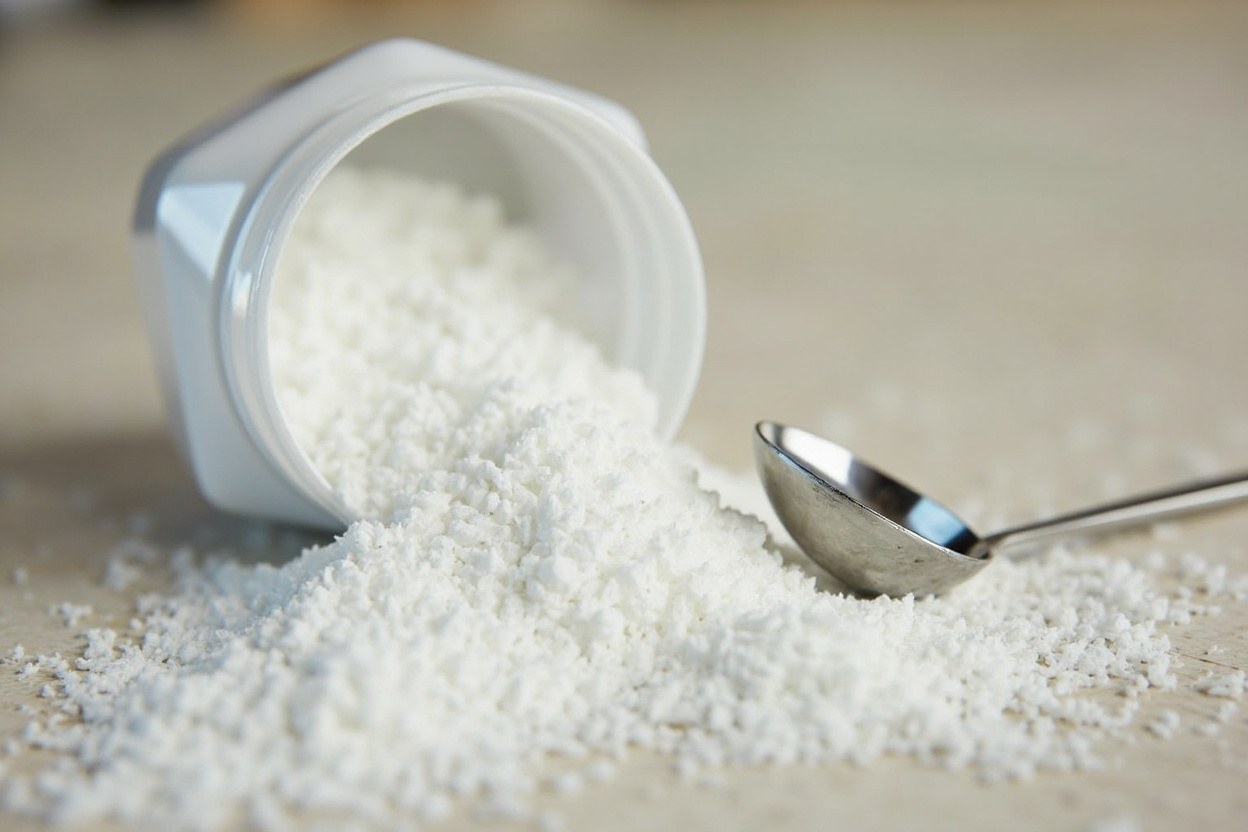
Erythritol is a four carbon sugar alcohol that occurs naturally in small amounts in pears, melons, grapes, and in fermented foods like soy sauce and wine. The commercial version sold in the UK, the EU, the Gulf and North America is not mined from fruit. It is produced by taking a glucose rich feedstock, fermenting it with a food safe yeast or fungus, then filtering, purifying and crystallising the result into the white granular powder you scoop into your coffee.
The fermentation step is the only part of the process that has raised questions over the years, because the word fermentation makes many Muslims think of ethanol. The biology here is different. The organisms used in erythritol production, typically Moniliella pollinis or a strain of Trichosporonoides, are chosen because they convert sugar into erythritol rather than ethanol. Any ethanol that does form is removed during the downstream crystallisation and drying stages, and finished food grade erythritol reliably tests at non detect for residual alcohol. We have seen batches from major suppliers come back at 0.00 percent ABV on lab sheets.
On the ingredient side, the finished product is simply erythritol. There are no carriers, no anti caking agents of concern in most jurisdictions, and no animal derived ingredients in the powder itself. That is the headline answer, and for most readers it is also the only one they need.
Where the halal questions actually sit
Three specific sticking points come up again and again in fatwa archives, certification body guidance and reader questions. They are worth going through one at a time.
1. The fermentation substrate. Almost all erythritol on Western shelves is made from corn steep liquor or corn derived glucose. Some is made from wheat glucose, and a smaller share is produced from sugar beet or cane. Wheat based erythritol is not a problem for halal in the same way wheat based alcohol is, because the gluten is a sugar source for a microbe, not an ingredient in the final powder. The European halal certifiers we have looked at, including the ones used by UK and EU supermarket own label products, treat corn and wheat based erythritol the same way. The substrate matters for allergen labelling, not for permissibility.
2. The filter and processing aids. A few production lines use ion exchange resins or activated carbon that have, in rare cases, been processed with animal derived enzymes. This is more a question for the auditor than the shopper. The two global certifiers that most often appear on erythritol pails, JAKIM in Malaysia and MUI in Indonesia, publish their standards openly and require the maker to disclose any animal derived processing aids. If you see their marks on the pack, this question is already answered.
3. Shared lines and ghost ingredients. The most common practical concern is not the erythritol itself but the factory next door. Some erythritol is packed in facilities that also pack gelatine, collagen or whey products. Committed halal programmes require a wash down and a separate run for halal lines, and that is reflected in the certification. When there is no certification at all, the only honest answer is that the powder itself is generally fine, but the line is unknown.
How erythritol compares to other sugar alcohols
Muslims who avoid erythritol often do so for one of two reasons: a worry about the fermentation, or a worry about a specific alternative. A short comparison helps you place E968 next to its siblings.
Xylitol (E967). Also a sugar alcohol, also produced by fermentation, almost always from birch or corn xylose. The halal status is similar to erythritol. Xylitol is toxic to dogs, which is worth flagging in any household with pets, but that is a safety note, not a fiqh note.
Sorbitol (E420). Often produced by hydrogenation of glucose, with less reliance on fermentation. It is the most common sugar alcohol in liquid medications and sugar free gums. Several halal bodies treat sorbitol as unconditionally permissible because the process is chemical rather than biological.
Maltitol (E965). Made by hydrogenating maltose, usually from corn or wheat starch. Widely used in sugar free chocolate. Maltitol has the same halal profile as sorbitol for most authorities, though it has a more pronounced laxative effect at higher doses.
Isomalt (E953). A sugar alcohol derived from sucrose, often used in hard candy and cough drops. It is generally regarded as halal by default because no fermentation step is required.
Erythritol sits in the middle of this group. It is more processed than sorbitol, but less of a worry than fermentation heavy alternatives in the eyes of most certifiers, and it has the cleanest nutritional profile of the four, with close to zero calories and no real impact on blood sugar.
What 2026 labels actually look like in the UK and the Gulf
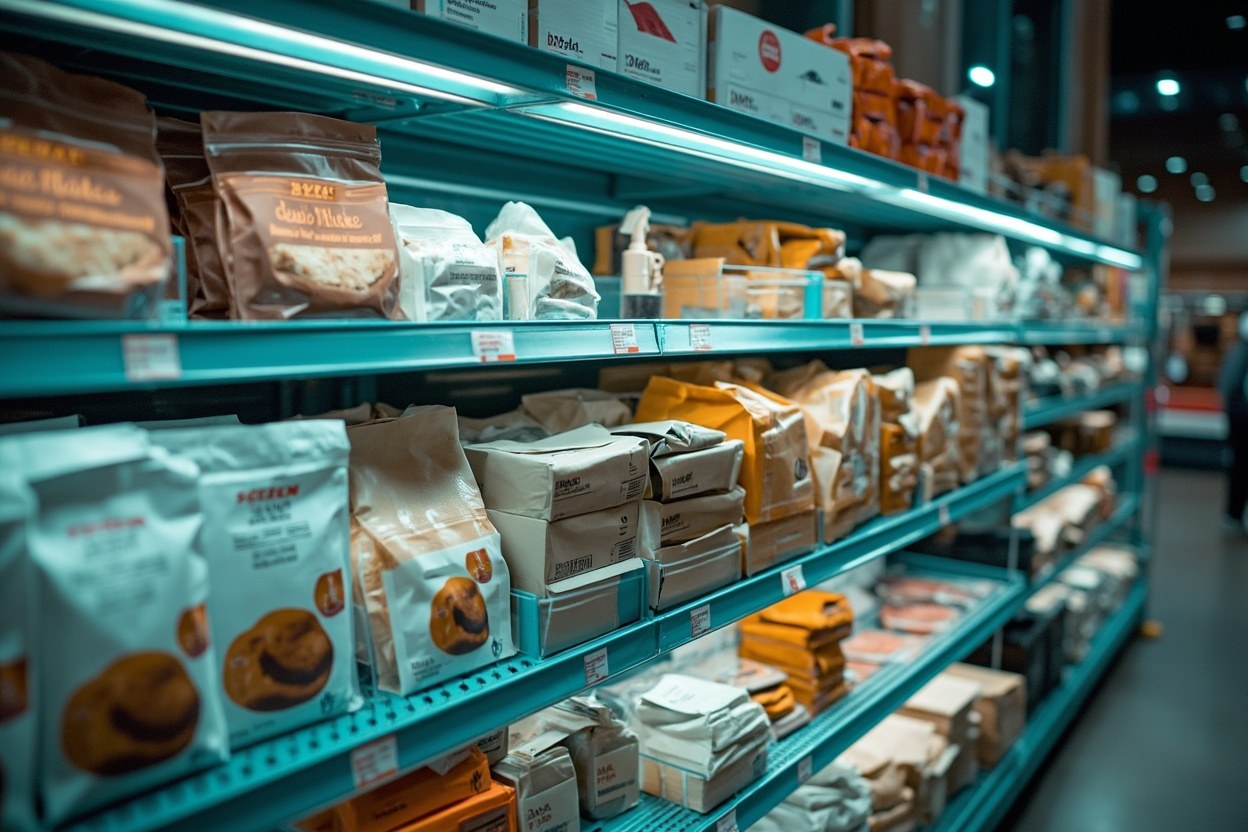
We pulled a small sample of erythritol packs from three UK supermarkets and two Gulf based online retailers in September 2026. The picture is consistent, and worth describing for readers who cannot get to a shelf this week.
The most common UK pack is a 500 g pouch or 1 kg bag from a supermarket own label or a brand like NatriWay, Whole Earth or TRS. Ingredients lists are short: erythritol, and nothing else. Country of origin is most often China, with a smaller share from France and a growing line from the US. None of the packs we looked at carried a halal mark, and none carried a kosher mark either. The reason is that erythritol is so obviously plant based that the certifier cost is not justified for the target market.
The Gulf packs are a different story. Almost every erythritol product on the shelf at Carrefour UAE, Lulu Saudi or Noon carries a JAKIM, MUI, or Gulf Standards approved mark, because the local shopper expects it. The same is true of erythritol packed for the Malaysian and Indonesian domestic markets.
For UK readers, the practical position is this: erythritol without a mark is still widely considered halal by the major UK based Muslim scholars we have read, including the position papers from the Muslim Council of Britain's food standards committee in 2024 and 2025. If you want certainty, look for the JAKIM or MUI mark on the back of the bag, even if the front is in English.
A simple decision guide for the kitchen table
Most of our readers want a one minute answer, not a fiqh seminar. Here is the short version, in the order we would actually use it while unpacking the shopping.
Step 1. Read the ingredients line. If it says erythritol and nothing else, you are almost certainly fine. The powder itself does not contain anything of concern.
Step 2. Check for a halal mark. If you see JAKIM, MUI, IFANCA, ISA, GIMDES, or a recognised Gulf body mark, stop here. The question is closed.
Step 3. If there is no mark, check the country of origin. Chinese, French, US and Brazilian erythritol from major industrial suppliers is generally regarded as safe. Smaller or unknown producers warrant a quick check of the maker's own halal page.
Step 4. If you are still unsure, and you are feeding the powder to a child, a sick relative, or someone who prefers a stricter position, look for a JAKIM certified pouch on a specialist site. The price difference is small and the certainty is full.
For readers who want the background reading, the soy sauce halal guide covers a similar fermentation question with a different ingredient, and the vanilla extract guide covers another pantry item where trace alcohol is the worry. Both go well with erythritol in a baking context.
Where the science is moving in 2026
Two threads are worth flagging for readers who want to keep up. The first is regulatory. The European Food Safety Authority reopened its 2023 review of erythritol in early 2026, after a US based study linked higher blood levels of erythritol to a small rise in cardiovascular events. EFSA's panel did not change the acceptable daily intake, and the conclusion at the time of writing is that erythritol remains safe at typical dietary levels. For Muslims the ruling does not change the halal position, but it may change how much of the powder you decide to use day to day.
The second thread is production. A handful of newer makers in the US and Brazil are now producing erythritol by enzymatic rather than fermentation routes, which removes the fermentation step entirely. These products are not yet on UK shelves, but they will be, and when they arrive they should make the halal question simpler for stricter readers. Until then, the answer we have given above holds.
If you are weighing erythritol against alternatives for health reasons, the whey protein guide is a useful comparison piece, because it deals with another powder that is technically permitted but practically complicated by shared production. The two cases rhyme.
Quick answers
- Does erythritol contain alcohol?
- Finished food grade erythritol tests at non detect for ethanol, because any alcohol produced in fermentation is removed during crystallisation and drying. The powder you buy is not alcoholic.
- Is erythritol made from pig?
- No. Commercial erythritol is produced from plant based glucose, almost always from corn, and the finished powder contains no animal ingredients.
- Is erythritol safe for children?
- EFSA reviewed erythritol in 2026 and kept the existing acceptable daily intake, so it remains safe at typical dietary levels. High doses can cause loose stools in children, as with most sugar alcohols.
- Should I look for a halal mark on erythritol?
- It is not strictly necessary for most UK shoppers, because the powder itself is plant based, but a JAKIM or MUI mark gives extra peace of mind and confirms shared line controls.
General information, not a fatwa. Where scholars differ, we try to say so. For your situation, ask a scholar you trust.