In the house
Is whey protein halal?
Updated 6 September 2026
Whey protein starts as a liquid byproduct of cheesemaking, the watery part left behind after milk curdles into curds, and in that basic form it is halal without much argument among scholars. That's the easy part. The harder part is everything that happens to the milk on the way to becoming a labeled tub of powder, and that's where a specific product can go from straightforward to something you actually need to check.
The milk itself is settled
Milk from a permissible animal is halal, and whey being one of the proteins separated out of that milk during cheese production doesn't change the starting point. It isn't meat, it doesn't require slaughter, and there's no real scholarly dispute over whey as a substance. When people ask whether whey protein is halal, they're usually really asking about something further down the ingredient list.
Rennet is where sourcing starts to matter
Rennet is the enzyme that splits milk into curds and whey in the first place, and it comes from one of three general sources. Two of them rarely raise a question at all: microbial rennet, produced through fermentation, and plant-based rennet, drawn from certain plants used in some traditional and specialty cheeses. Neither touches animal slaughter, so neither carries the concern that comes with animal-derived ingredients.
Animal rennet is the one worth slowing down for. It's traditionally taken from the stomach lining of a calf, and like any other animal-derived ingredient, its status follows the same sourcing rules as meat. From an animal slaughtered according to zabiha requirements, it's fine. From an animal that wasn't, or from a source that simply isn't disclosed on the label, many scholars treat it as uncertain at best. A package that just lists "rennet" with nothing else to go on is genuinely hard to evaluate from the outside, and that gap is exactly what a proper halal certification is meant to close.
| Rennet source | Where it typically shows up | General status |
|---|---|---|
| Microbial (fermentation-derived) | Widely used across modern commercial cheese and dairy processing | Halal, no animal sourcing involved |
| Plant-based | Some specialty and traditional cheeses | Halal, no animal sourcing involved |
| Animal, from a zabiha-slaughtered source | Traditional cheeses from certified halal producers | Halal |
| Animal, source unspecified or conventional | Cheeses and dairy byproducts without halal certification | Treated as uncertain, or as non-halal, by many scholars absent disclosure |
Flavoring, sweeteners, and enzymes are the next layer
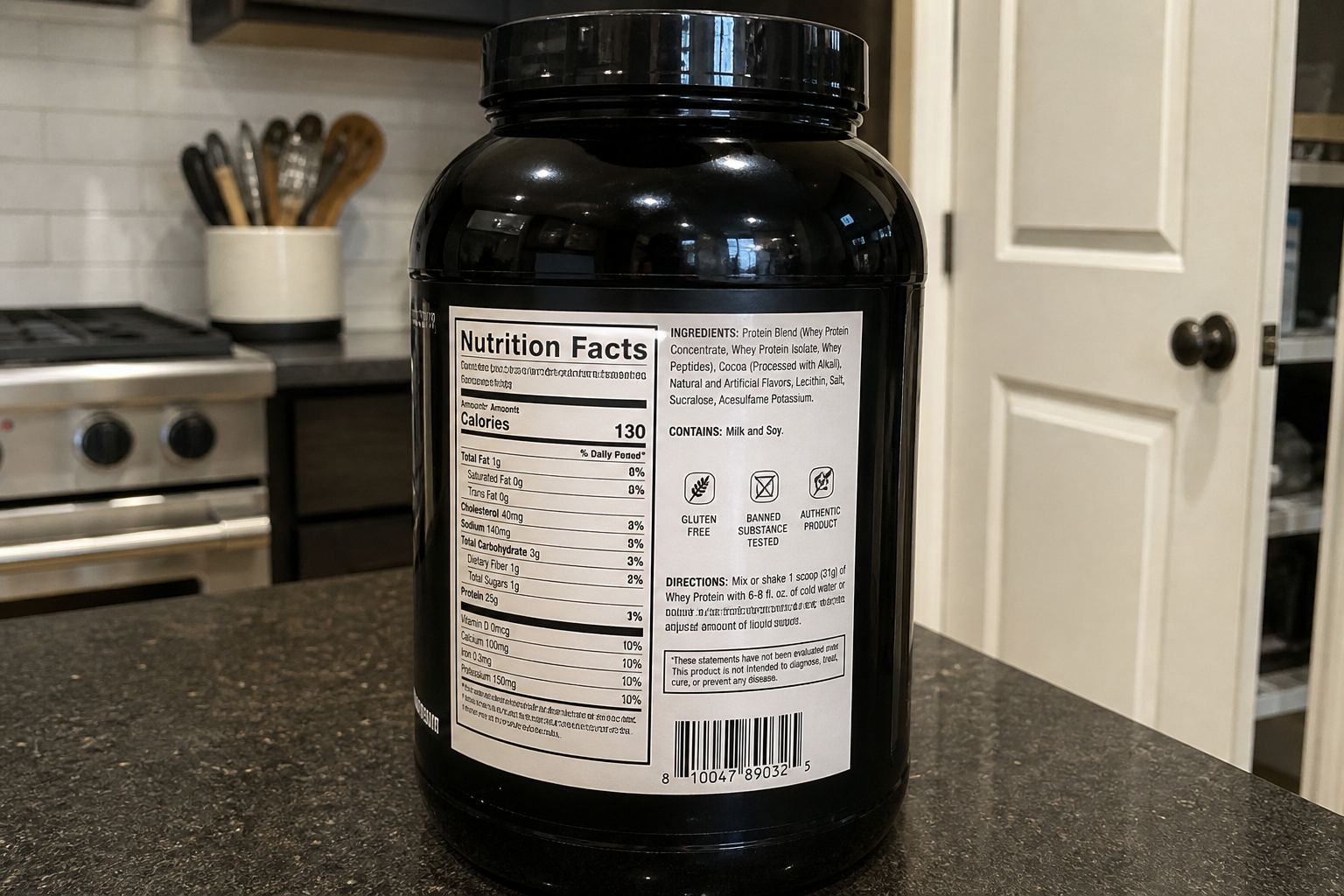
Plain, unflavored whey isolate is about as simple as protein powder gets, but not many people buy it that way. Vanilla and chocolate versions often lean on flavoring extracts, and natural vanilla extract in particular is usually alcohol-based. Scholars are genuinely split on this, in the same way they're split on alcohol in food generally. Some accept trace, non-intoxicating alcohol used as a processing aid or carrier, especially where the ingredient is understood to undergo istihalah, a transformation of the substance itself. Others hold to a stricter standard and treat any alcohol content as disqualifying, regardless of the amount or its purpose. Neither position is fringe, so it's worth knowing where you land rather than assuming the answer.
Sweeteners rarely cause problems on their own. Added digestive enzymes, like protease or lactase, included in some formulas to help absorption, are a different story. They can be microbial or animal in origin the same way rennet can, so the honest move is to check rather than assume. This is essentially the same reasoning behind whether creatine is halal, where the compound itself is rarely the issue and the real question sits in the capsule material and flavoring built around it.
What a certification label actually tells you
A recognized halal mark, from a body like IFANCA, HMC, JAKIM, or MUI, exists precisely to answer these questions for you. Certification means someone has already traced the rennet, checked the flavoring, and confirmed the enzyme sourcing, so you're not left guessing from a short ingredient panel. The absence of a certification mark doesn't automatically mean a product isn't halal. It just means that verification, if you want it, has to happen ingredient by ingredient instead of all at once.
- If it's plain whey isolate or concentrate with no flavoring, there's usually little to worry about beyond rennet source.
- A recognized certification mark answers the rennet, flavoring, and enzyme questions in one step.
- If there's no certification, check whether the rennet source is disclosed at all, and treat "not specified" as a reason to look closer, not a reason to assume the best.
- Treat added enzymes the same way you'd treat rennet: ask where they came from before assuming they're fine.
Whey protein isn't hard to get right, but it does reward a closer look at the label instead of blind trust in the tub. Our halal ingredient checker takes a flavoring or enzyme name you don't recognize and tells you what it's made from, so you're not stuck guessing your way through an ingredient panel.
Quick answers
- Is whey from cheese-making a rennet problem?
- Sometimes the original cheese used animal rennet. Many whey producers and certifiers treat finished whey as a separate product. A mark closes the factory question.
- Isolate versus concentrate?
- A processing difference, not a fiqh difference, unless additives differ.
- What about “whey from grass-fed cows”?
- A farming claim. Not a slaughter or rennet claim.
General information, not a fatwa. Where scholars differ, we try to say so. For your situation, ask a scholar you trust.