Pantry
Is Fairlife Protein Shake Halal in 2026? A Label Guide
Updated 20 October 2026
Fairlife shakes sit in a grey patch between a simple ingredient list and a brand that has not yet pursued a halal certificate, so the decision comes down to what you weight: a clean plant oil blend, an enzyme step that the company will clarify on request, and a line that does not currently carry a third party halal mark.
What is actually inside a Fairlife shake in 2026
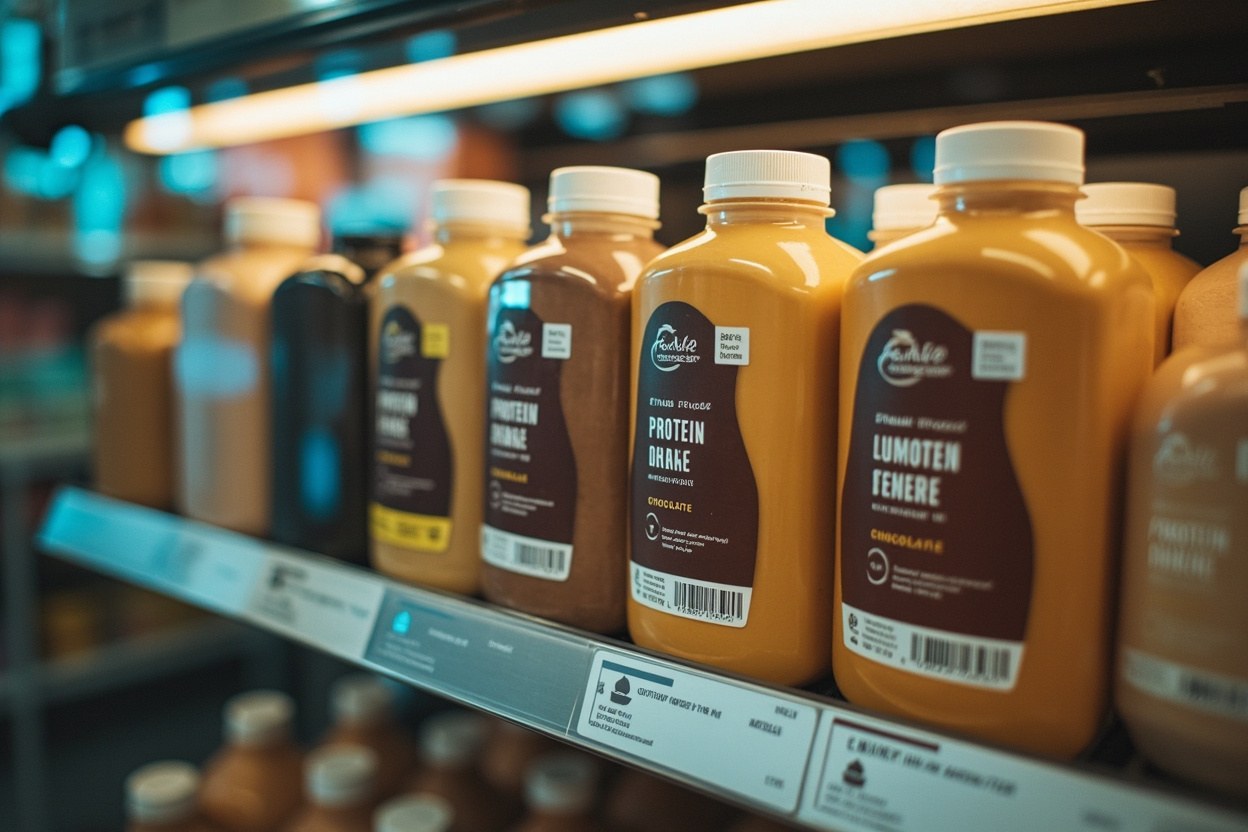
The Fairlife Core Power 26g bottle lists ultrafiltered skim milk, water, a milk protein blend made up of milk protein concentrate and whey protein concentrate, then a small list of supporting ingredients: cocoa for the chocolate variants, sunflower oil or a blend of sunflower and rapeseed oil depending on the SKU, cellulose gel and cellulose gum as stabilisers, natural flavour, acesulfame potassium and sucralose for the no added sugar range, and the usual vitamin and mineral mix that pushes the calcium and potassium numbers up. There is no gelatin in the ready to drink bottle, and the creaminess comes from milk proteins and the stabiliser pair rather than from any animal fat.
The 2026 reformulation on the US Core Power line swapped part of the older canola based blend for a higher share of sunflower oil, which is the kind of change that matters to shoppers who wanted to move away from fully refined rapeseed oil. Sunflower lecithin is used as the emulsifier in the chocolate variants, and the brand has stopped using carrageenan in the ready to drink bottle, which is a small but real change for readers who were watching the E407 question on the wider category. None of that, on its own, is a halal problem. The question that remains is the enzyme step earlier in the dairy chain.
Fairlife is a Coca Cola owned brand, and the milk is supplied through dairy co ops that send raw milk to the company’s filtration plants in the Midwest. Ultrafiltration separates the milk into a protein rich stream and a lactose and water stream, and the protein stream is what ends up in the bottle. Along the way, the milk has been standardised and recombined, and at certain steps a milk clotting enzyme is used to control texture. The brand does not put the enzyme source on the carton, because it is used upstream and is not a declared ingredient in the finished product.
In most US dairy, that enzyme step is done with microbial coagulants, which are produced by fungi such as Rhizomucor miehei, and they are widely treated as halal. A smaller share of the US cheese and milk protein market uses calf derived rennet, and that is the part that strict Muslim readers will want to check. Fairlife has, in past correspondence with shoppers, said that the enzymes used in its filtration plants are microbial, but the brand has not published that statement as a 2026 policy, and there is no on pack symbol that confirms it.
For a Muslim shopper reading the 2026 label, the practical path is short. Look at the ingredient panel, see that the bottle is built from milk proteins, water, vegetable oils, sweeteners, and stabilisers, and confirm that nothing on that panel is a clear red flag. Then, if you are at the strict end, write to the brand through the contact form on fairlife.com and ask two questions: which enzyme source is used in the protein standardisation step, and is the line shared with any non halal product. Keep the email, because the answer is what you weigh alongside the rest of your decision.
For readers who are scanning this on a phone in the shop, the short version is: the label on the bottle is not the obstacle. The obstacle is the upstream step that the label does not describe, and the absence of a third party halal mark on the bottle. If that is the kind of detail that matters to you, the answer is to use the brand’s own channels rather than the ingredient panel alone.
Rennet, microbial enzymes, and the line between fine and not
The rennet question sits at the heart of nearly every halal discussion of a dairy product, and it is worth laying out what is on the table, because the same word means different things to different people. Animal rennet, often called calf rennet, is taken from the stomach lining of a young ruminant, usually a calf, and it contains the enzyme chymosin, which causes milk to clot. Microbial coagulants are produced by fermentation, and the most common fungal source is Rhizomucor miehei, with Mucor pusillus and Aspergillus oryzae also used. Ferment produced chymosin, sometimes labelled FPC, is made by inserting the bovine chymosin gene into a microorganism such as Aspergillus niger or Kluyveromyces lactis, and the resulting enzyme is identical in amino acid sequence to the calf derived version, even though no animal tissue is involved in its production.
For most Muslim shoppers, microbial and ferment produced chymosin are treated as halal, and animal rennet is treated as doubtful or not halal, depending on the school of thought. The reason the distinction is kept narrow is that the enzyme is not the animal itself. The argument is about what was used to produce the enzyme and what the consumer is asked to accept. The label, however, will not help you here, because rennet is a processing aid, not a declared ingredient, and processing aids are exempt from ingredient labelling in both the US and the UK.
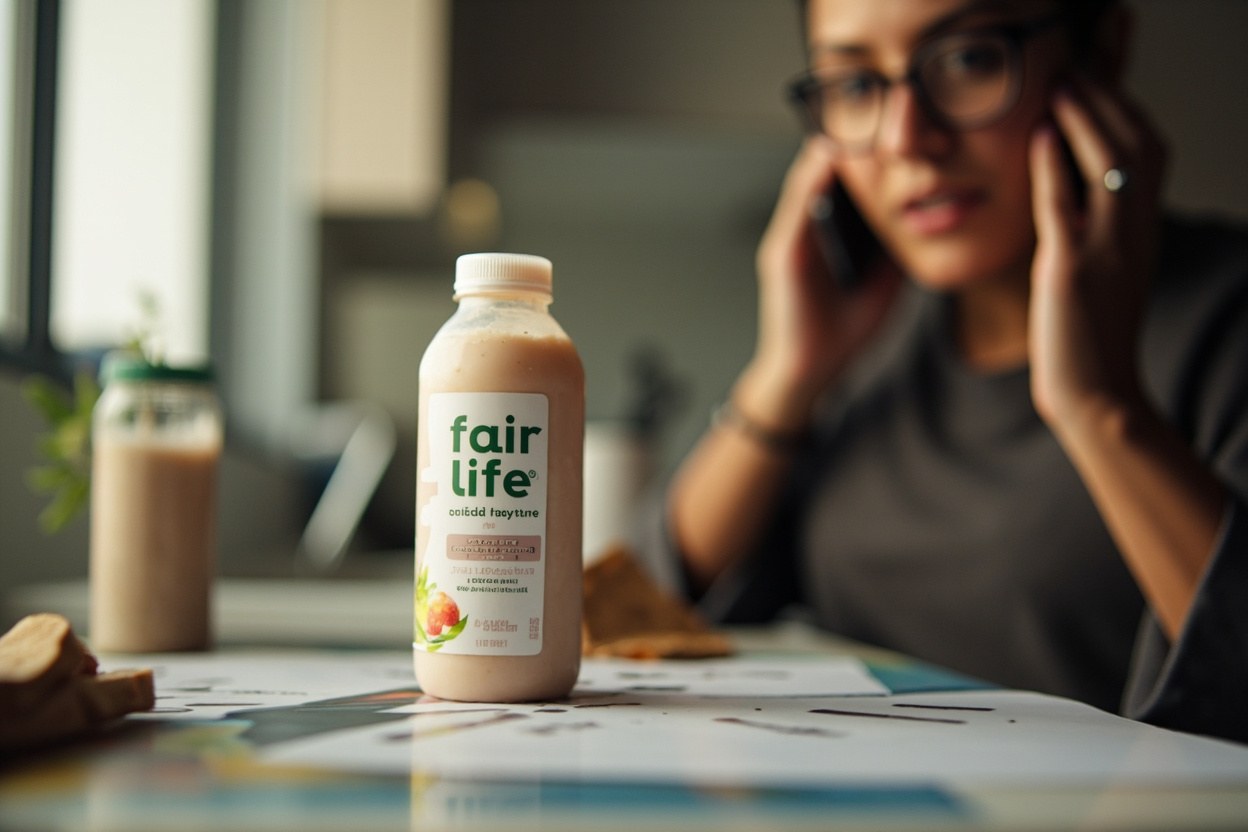
This is the part where the halal conversation tends to feel stuck. A shopper can read an ingredient panel three times, send the photo to a friend, post it in a group chat, and still not know, because the answer lives in the dairy plant rather than the bottle. Fairlife has, in the past, told readers that its enzymes are microbial, but a 2026 statement is not on the press page, and the brand has not added a halal symbol to the bottle. That is the state of play for the Core Power and Nutrition Plan ranges in October 2026.
It is also worth saying what is not in doubt. The carrier oils in the bottle, the sweeteners, the stabilisers, the vitamins, and the flavour systems are plant derived or synthetic. There is no pork gelatin, no animal derived emulsifier outside the upstream enzyme step, and no alcohol added as an ingredient. The 2026 label is clean on the visible side, and the open question is the one the label cannot show.
For readers who want a working rule of thumb: if a product is on a shelf, in a category where the only animal derived input is a processing aid, and the brand will not certify, the practical question is whether the brand will answer a direct question about the enzyme. Some brands will, some will not, and some will say that they cannot share a supplier detail. Fairlife has, in the experience of multiple shoppers, answered this question by email, and that is the only honest way to treat the 2026 label.
What the 2026 label does not tell you, and what to do about it
The first thing the label does not tell you is the enzyme source, and that has been covered above. The second is the shared line question. Fairlife’s plants run a small number of SKUs, and most of them are milk based, but a brand that has not pursued halal certification is not obliged to keep a Muslim shopper’s concerns in mind when a line is set up or a new SKU is added. The third party halal mark, when it is present, is a quiet answer to the shared line question, because the certifying body has inspected the plant. Without that mark, the shopper is left asking the brand.
For readers in the UK, the picture is a little different. Fairlife launched in the UK in 2023, and the brand sells its Core Power and Nutrition Plan ranges through retailers including Tesco, Sainsbury’s, and Amazon UK. The UK label is similar to the US label, and it is also missing a halal mark, but the enzyme question is the same. The Muslim shopper in London is making the same call as the Muslim shopper in Chicago, and the call comes down to how much weight you put on a third party mark.
If you are weighing Fairlife against other ready to drink protein shakes in the same aisle, the table below sets out the 2026 reading on the main options that sit near it on the shelf, with a focus on what the label says and what the brand has done about halal certification. The point is not to score the brands, because halal is a personal call. The point is to give you a way to compare them on the same axis, so that the decision is yours rather than the aisle’s.
| Brand and SKU | Protein source | Visible animal ingredients | Enzyme step disclosed | Halal mark on bottle in 2026 |
|---|---|---|---|---|
| Fairlife Core Power 26g | Milk protein concentrate and whey | None declared | No | No |
| Fairlife Nutrition Plan 30g | Milk protein concentrate and whey | None declared | No | No |
| Premier Protein 30g | Milk protein concentrate and whey | None declared | No | No |
| Muscle Milk Genuine Protein | Calcium caseinate and whey | None declared | No | No |
| Owyn (Only What You Need) 20g | Pea protein, with a small share of flax | None, plant based | Not applicable | Some SKUs carry a halal mark |
| KOS Organic Protein 20g | Pea protein, flax, quinoa, pumpkin | None, plant based | Not applicable | No standard mark, brand is plant based |
The dairy SKUs in this table all sit in the same spot on the label. They are clean, they are not claiming any animal derived ingredient other than the milk itself, and they are not carrying a halal mark. The plant based SKUs are different in kind, because the enzyme question does not arise, and some of them, such as Owyn, have taken the step of putting a halal mark on the bottle for certain SKUs in 2026. That is the practical axis: dairy shakes require a closer look, plant based shakes require a different look, and the decision in either case is yours to make.
If you are a strict reader, the simple tool is the email. The brand lists its consumer care contact on fairlife.com, and a short, polite email that asks for the enzyme source and the line sharing policy is the most direct way to get an answer. If you are a reader who is comfortable with a microbial enzyme answer from a brand that has not been inspected, the bottle is workable. If you want a third party mark, the aisle does not currently offer one for Fairlife, and a plant based SKU such as Owyn or KOS is the easier choice for now.
How to read a Fairlife label on the shelf in two minutes
Pick up the bottle and look at the front label for the SKU name. Core Power 26g is the 26 gram protein variant, Core Power Elite is the 42 gram variant, and Nutrition Plan is the 30 gram meal replacement variant. The Nutrition Plan range has a different ingredient panel, and it uses a higher share of milk protein concentrate, so if you are reading a Nutrition Plan bottle, the practical answer is the same, but the protein numbers will look different.
Turn to the back and look at the ingredient list. The first ingredient is ultrafiltered skim milk, and the second is water in most SKUs. After that you should see milk protein concentrate, whey protein concentrate, a vegetable oil such as sunflower or a sunflower and rapeseed blend, a stabiliser pair of cellulose gel and cellulose gum, a sweetener or sweeteners, natural flavour, and the vitamin and mineral mix. Sunflower lecithin should appear in the chocolate variants as the emulsifier, and acesulfame potassium and sucralose should appear in the no added sugar variants.
Scan the list for any of the usual red flags. There is no gelatin, no carmine, no shellac, no animal derived emulsifier, and no alcohol listed. The label is clean on the visible side, and the open question is the enzyme step, which is upstream of the bottle and not declared. There is no halal mark on the US or UK SKU in October 2026, and the brand does not currently make a halal claim on its packaging or its website.
If you want to take the next step, open the email app on your phone, write a short message to the brand’s consumer care team, and ask the two questions: which enzyme source is used in the protein standardisation step, and is the line shared with any non halal product. Save the reply. If the brand answers with a microbial enzyme source and a milk only line, you have a working basis for a personal halal call. If the brand declines to answer, you have a working basis for choosing a different SKU, and the plant based Owyn bottle with a halal mark is the easier option on the same shelf.
For readers who want a wider view, the related reads on the site cover the wider question of E number carriers in the dairy aisle, including carrageenan E407, the question of cocoa butter in chocolate flavoured dairy, the question of MSG E621 in flavoured milks, and the broader halal certification guide for 2026 which sets out what each of the major marks actually mean on a US or UK bottle.
Quick answers
- Is Fairlife Core Power halal in 2026?
- The 2026 label does not declare a pork derived rennet and the brand has previously said its enzymes are microbial, but there is no third party halal mark on the bottle, so strict readers should confirm the enzyme source directly with Fairlife.
- Does Fairlife use animal rennet?
- Fairlife has, in past correspondence, said that the enzymes used in its protein standardisation step are microbial, and the brand has not stated that animal rennet is used, but a 2026 written policy has not been published and the bottle does not confirm it.
- Is Fairlife Nutrition Plan halal?
- The Nutrition Plan range is milk based and has a similar panel to Core Power, with a higher protein content, and the halal call rests on the same enzyme question and the absence of a third party mark.
- Is Fairlife available in the UK?
- Fairlife launched in the UK in 2023 and the Core Power and Nutrition Plan ranges are stocked by Tesco, Sainsbury’s, and Amazon UK, with a label that is close to the US version and no halal mark on the bottle in October 2026.
- What is a halal alternative to Fairlife on the same shelf?
- Plant based ready to drink shakes such as Owyn, which carries a halal mark on certain 2026 SKUs, sit in the same fridge case and avoid the dairy enzyme question altogether.
General information, not a fatwa. Where scholars differ, we try to say so. For your situation, ask a scholar you trust.