In the house / Pantry
Is E171 Titanium Dioxide Still in Food, and Is It Halal in 2026?
Updated 6 October 2026
E171 is the pantry shelf that refuses to stay empty: the additive most shoppers never read out loud, and the one that quietly disappeared from EU recipes between 2022 and 2026.
What E171 actually is, and why it drew a halal question at all
Titanium dioxide is a fine white powder made from the mineral ilmenite. Food-grade E171 has been used for decades to make chewing gum opaque, icing sugar bright, white chocolate glossy, and the coating on a tablet smooth and easy to swallow. It is roughly 40 percent titanium by weight, the rest being oxygen, and it does not dissolve in water or stomach acid.
What changed in 2022, and where the ban actually stands in 2026
The old halal objections, item by item
Three concerns have followed E171 around Muslim forums for the best part of two decades. Each one is answerable once you know what to look for.
1. Animal-derived coatings. Some grades of E171 are surface-treated with stearic acid, magnesium stearate, or a thin glaze. Stearic acid can come from palm oil, which is fine, or from beef tallow, pork tallow or bone fat, which is not. Magnesium stearate has the same split. If the maker is reputable and the plant is halal or kosher certified, the vegetable source is almost always used. If there is no symbol, the country of origin is a strong clue: Malaysian and Indonesian factories default to palm; European and American factories split roughly half and half.
2. Glucose or starch carriers. Titanium dioxide is rarely sold as a pure powder to a bakery. It is pre-dispersed in a carrier such as glucose syrup, modified starch or glycerol. A halal shopper is really asking about the carrier, not the pigment. Glucose from wheat or corn is fine; glucose clarified with bone-char filters in some refineries is the recurring concern. The risk is small but real, which is why a phone call to the maker is often the only honest answer.
3. Shellac or beeswax glazes. Some confectionery glazes list "glazing agent (E171)" without naming the resin. Shellac (E904) is insect-derived and many scholars consider it halal, but beeswax and confectioner's glaze can be cross-contaminated with shellac in shared lines. The easiest defence on a label is a halal symbol; without one, you assume the worst until the maker confirms.
How the major certifiers treat titanium dioxide in 2026
Halal certifiers do not maintain a single global list, but the practical consensus is fairly settled. The table below summarises how the main bodies approached E171 in their most recent published standards or updates.
Halal certifier positions on E171 in food and pharma, 2026.
| Certifier or body | Position on E171 in food | Position on E171 in medicines | Notes for shoppers |
|---|---|---|---|
| JAKIM (Malaysia) | Permissible if no animal-derived processing aids | Permissible in tablets, capsules and coatings | Look for the JAKIM halal logo on the pack, not the ingredient list |
| MUI (Indonesia) | Permissible; not on the latest haram additive list | Permissible in finished dosage forms | BPJPH registration number is the cleanest signal |
| Saudi SFDA | Allowed within approved additive limits | Allowed; follow Gulf pharmacopoeia | Tamim or Saudi Quality Mark adds certainty |
| KFTC-style Korean and Thai bodies | Permissible, source-dependent | Case by case, usually accepted | Halal logo required for confident buy |
| EU supermarket own-brand reformulations | E171 removed from recipes since 2023 | Reduced in OTC lines from 2024 | Ingredient lists confirm removal |
Reading the label: what to look for on a UK or EU pack
A European label that still carries "E171" or "titanium dioxide" in 2026 is most likely to be one of three things. It may be a discounted imported product that was lawfully placed on the market before the EU stock exhaustion deadline and has simply been sitting in a warehouse. It may be a non-EU made brand that is exempt from the EU additive ban under the country-of-origin principle. Or it may be a coated tablet, where the EU additive rule does not apply.
For each, the reading strategy is different. For the imported sweet, look for a halal or kosher symbol, check the company website for a current statement on E171, and treat the absence of a symbol as a reason to phone. For the chewing gum or mint, the rule of thumb is that menthol, mints and gums made for the Gulf and Malaysian markets almost always carry JAKIM or GIMDES certification. For the tablet, accept the E171 as standard and move on, because the alternatives can have their own additives that need checking.
If a maker does not respond to an email, the next-best signal is the country of manufacture. UK, German and Belgian factories have largely completed the switch. Turkish, Indian, Pakistani and Egyptian factories often still use it. The list is a soft guide, not a rule.
Practical shopping rules for October 2026
Here is a short routine to keep in your pocket when you do the weekly shop.
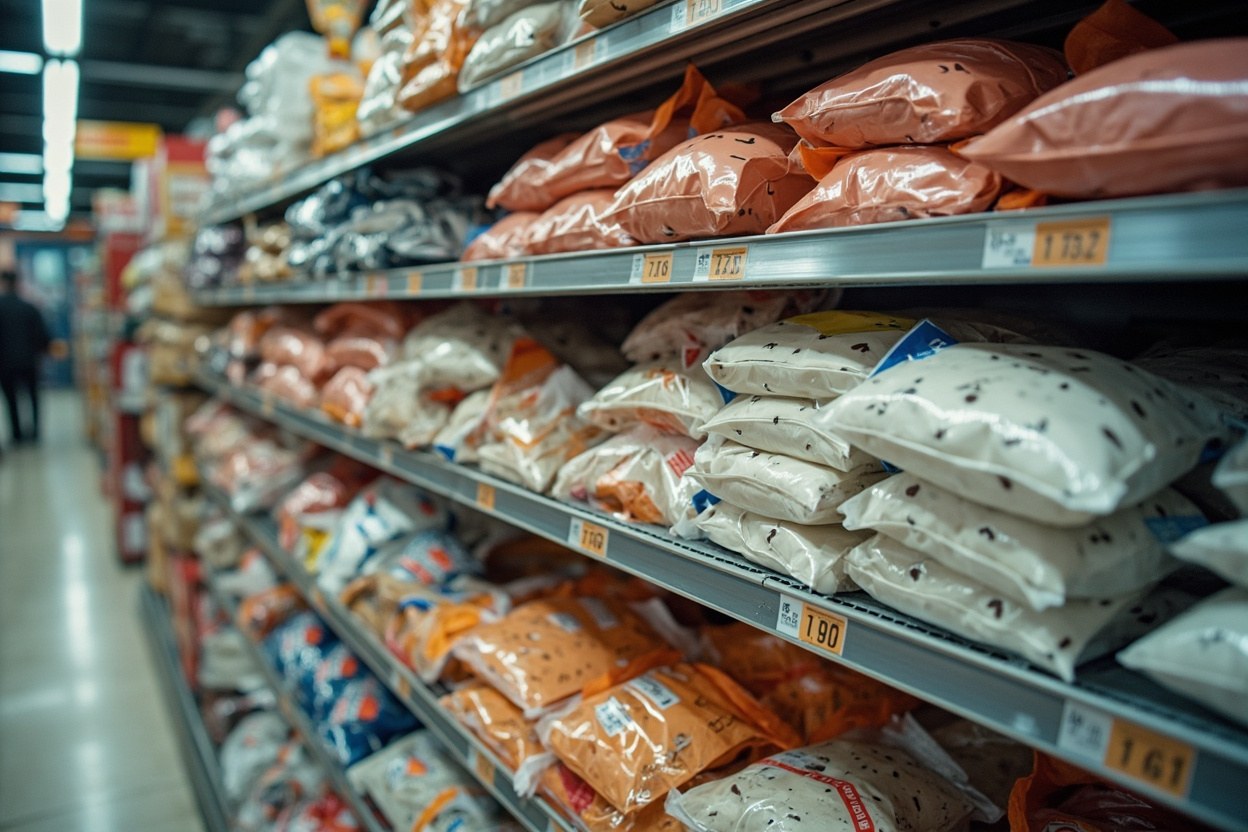
- For UK or EU own-brand food, expect to see E171 gone. If you do see it, treat it as a stock item and call free.
- For imported sweets, biscuits and chewing gum, look for a halal symbol first. If there is no symbol, scan the ingredients for "glazing agent", "starch", "glycerol" or "E904" alongside E171, because those are the markers of a coating that may include a non-halal carrier.
- For white chocolate and compound chocolate, the same rules apply, with the addition that cocoa butter alternatives often carry E171 as a whitening agent. Look for cocoa solids on the front of pack as a quality marker instead.
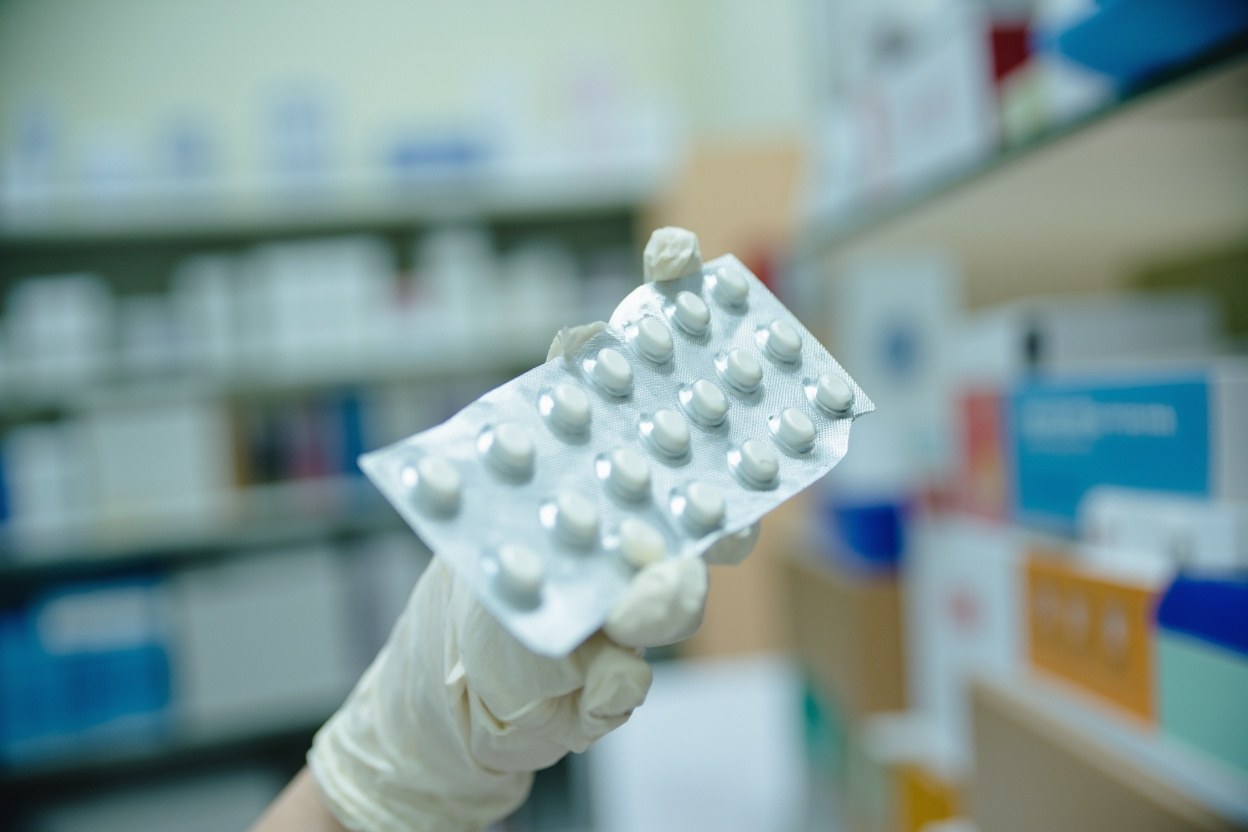
- For medicines, accept the E171. Use the gelatin guide for the capsule shell and the mouthwash and toothpaste guide for anything swallowed or held in the mouth. The pigment itself is not the worry.
- For children's chewable vitamins, do the same check as for sweets. Chewables are essentially confectionery with actives added, so a halal symbol is the cleanest answer.
The food versus medicine split, and why it matters for halal rulings
Where this leaves Muslim shoppers between fiqh and regulation
Quick answers
- Is E171 titanium dioxide haram in Islam?
- On its own it is an inert mineral and most scholars treat it as permissible, but the halal question is really about the animal-derived coatings and carriers some factories use. Look for a halal or kosher symbol and check the country of origin.
- Is titanium dioxide banned in the EU in 2026?
- It was withdrawn as a food additive from August 2022, with transitional stock periods that ran through 2024 and 2025. By October 2026, EU and UK own-brand lines have largely dropped it, but imports and medicines can still carry it.
- Can I take a tablet that contains E171?
- Yes. Islamic legal schools generally allow inert coatings in medicines, and the European Medicines Agency accepts the additive in finished pharmaceutical products while it works on substitution. If the capsule is the worry, the gelatin guide is the better starting point.
- Does titanium dioxide contain pork?
- Pure titanium dioxide does not, but some grades are surface-treated with stearic acid or magnesium stearate that can be animal-derived. Reputable halal-certified factories use palm or vegetable sources, which is why the symbol on the pack is more useful than the chemical name.
General information, not a fatwa. Where scholars differ, we try to say so. For your situation, ask a scholar you trust.