In the house
Is creatine halal?
Updated 6 September 2026
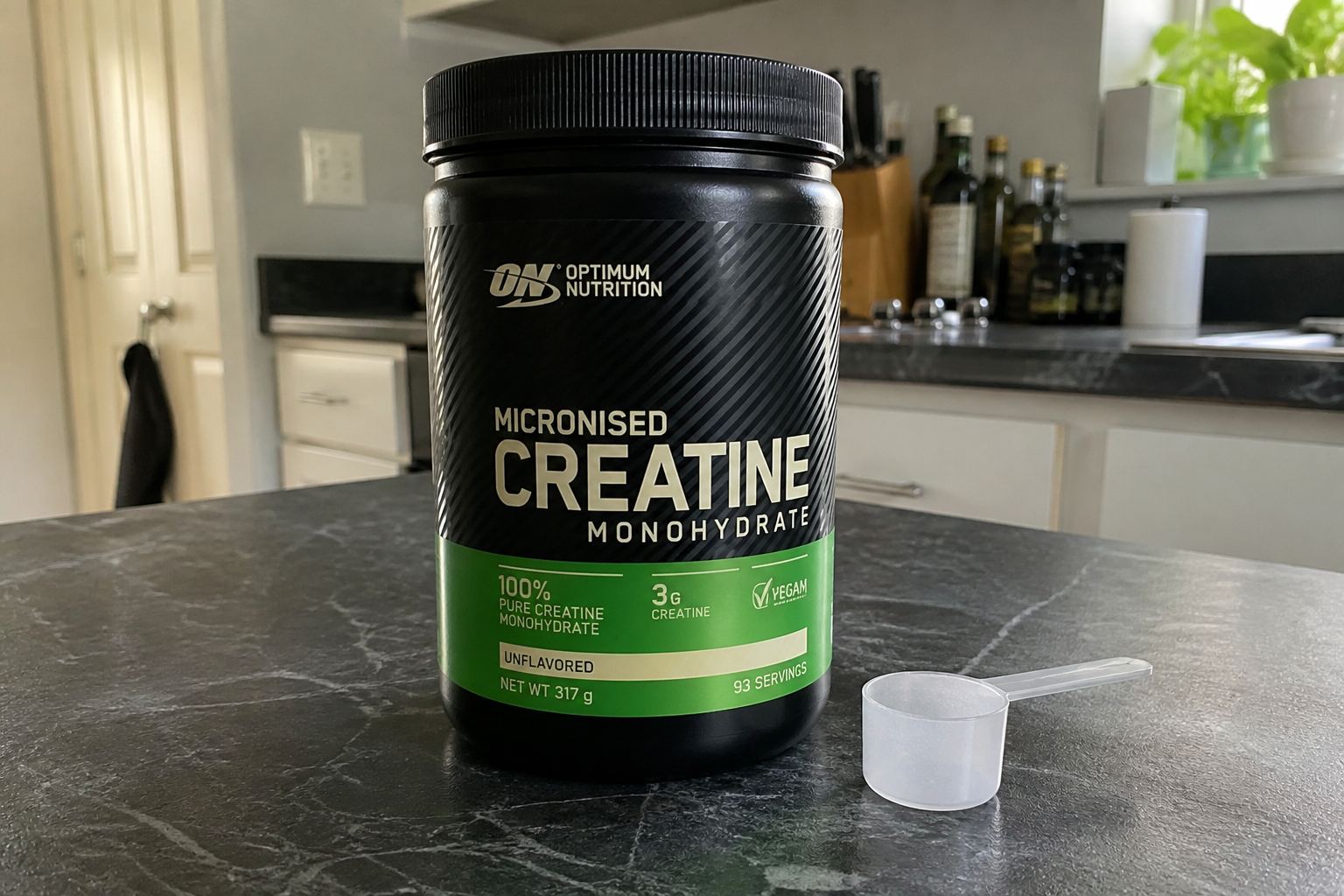
Plain creatine monohydrate, the form in most tubs and the most studied form by far, is manufactured through an industrial chemical synthesis process, not extracted from an animal. On that basis alone, most scholars consider it halal. The real question worth asking isn't about the creatine itself, it's about everything else in the product.
Why the "is X halal" search results are unreliable here
Search for this question and most of what ranks is a supplement brand's own blog post, understandably inclined to answer in a way that sells their product. That's not necessarily wrong, but it's also not neutral. This page has nothing in the tub to sell you, so here's the actual breakdown.
The creatine itself: generally not the issue
Creatine monohydrate is typically produced synthetically from sarcosine and cyanamide in a controlled industrial process. There's no animal slaughter question, no alcohol fermentation question, nothing in the base compound itself that scholars commonly flag as doubtful. If a product is 100% pure creatine monohydrate powder with no other ingredients, the creatine itself is not usually where a concern would come from.
Where the actual questions live
Almost nothing ships as pure powder alone once it's flavored, capsuled, or blended, and that's where it gets genuinely worth checking:
- Capsules. If the creatine comes in a capsule rather than loose powder, check what the capsule shell is made from. Gelatin capsules follow the same rules as gelatin anywhere else: halal if from a properly slaughtered permissible animal or a plant/marine source, doubtful without certification, haram if pork-derived. Vegetable-based (HPMC) capsules avoid this question entirely.
- Flavoring and sweeteners. Flavored creatine products often include artificial flavoring compounds and sweeteners. Most are not controversial, but check for anything alcohol-derived in the flavoring base specifically, since that's a genuine point some scholars weigh differently than trace processing alcohol.
- Blended "pre-workout" style products. Creatine sold inside a larger blend with dozens of other ingredients inherits whatever questions those other ingredients raise. Check our pre-workout supplement page for that specific category.
What certification actually verifies
A halal certification mark from a recognized body means someone independently checked the manufacturing process, not just the ingredient list, including things like shared equipment cross-contamination that an ingredient list alone wouldn't catch. For a plain creatine monohydrate product, certification is less critical than for a heavily blended one, but it removes the guesswork entirely if you'd rather not evaluate each ingredient yourself.
The practical answer
Plain creatine monohydrate powder: generally considered halal by most scholarly assessments, with the ingredient itself rarely the point of concern. Flavored or capsuled versions: check the capsule material and flavoring source specifically, since that's where an actual answer requires more than knowing about creatine. Heavily blended pre-workout formulas: treat as a separate question entirely, since you're really asking about a dozen ingredients, not one.
Quick answers
- Is creatine from meat?
- Not the ordinary monohydrate powder. It is synthesised.
- What if it is in a capsule?
- Check the shell. See the gelatin capsules page.
- What about pre-workout blends?
- You are then asking about a dozen ingredients. Separate page.
General information, not a fatwa. Where scholars differ, we try to say so. For your situation, ask a scholar you trust.