In the Pantry
Is Allulose Halal? A 2026 Label Guide for Muslim Shoppers
Updated 6 October 2026
Allulose was the quiet winner of the 2026 sugar free shelf, and Muslim shoppers are now asking the question that always follows a new ingredient: do I need to think about this one?
What allulose actually is, and where it sits on the label
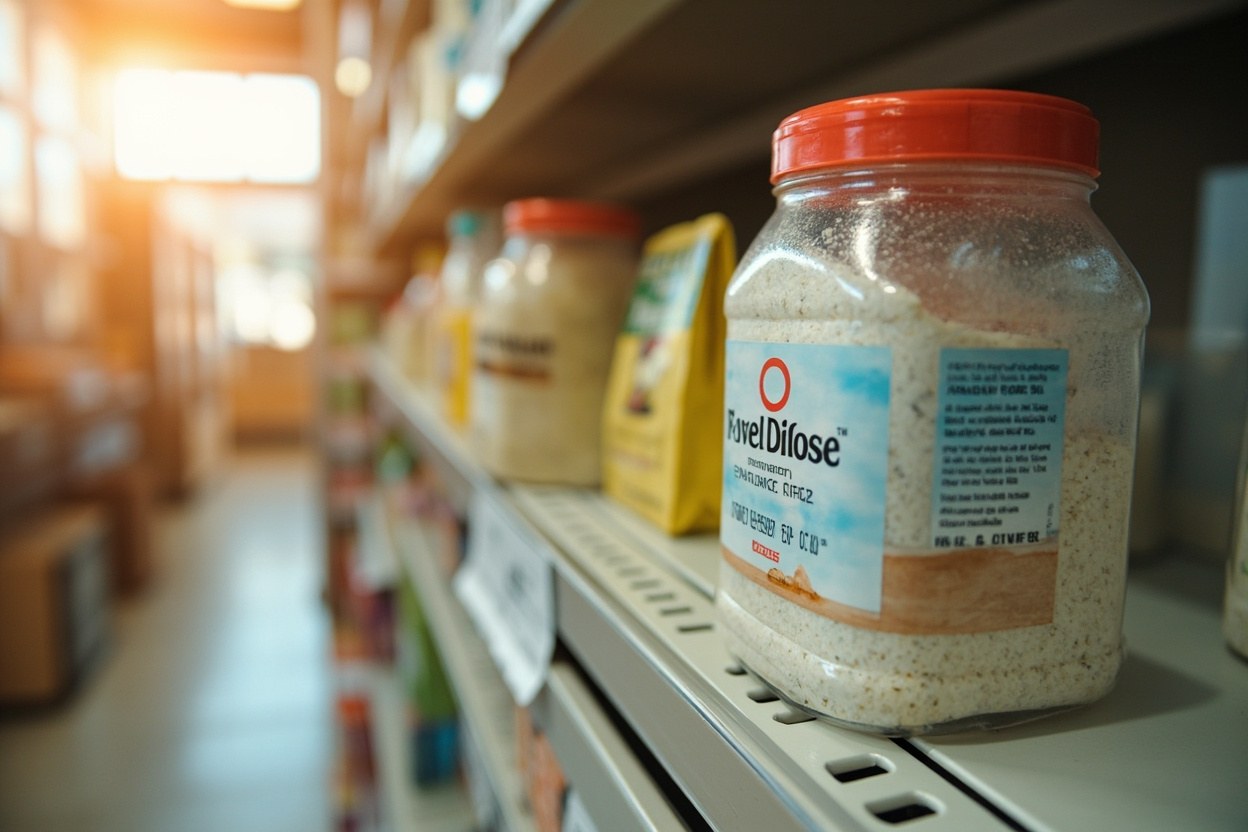
If you have swapped a fizzy drink or a tray bake for a sugar free version in 2026, there is a good chance the sweetener on the front of the pack is allulose, sometimes sold as D allulose or D psicose, and occasionally marked on European labels as E number free since it has not been allocated an E code. Chemically it is a monosaccharide, a single unit sugar, that sits next to fructose and glucose in the sugar family, but your body treats it very differently.
What matters for our purposes is that allulose is found in nature in small amounts. It is present in figs, dates, raisins, jack fruit, maple syrup, and a few wheat based ingredients. Commercial production in 2026 mostly starts with fructose, usually from corn or sometimes from sugar beet, and then uses a microbial fermentation step to rearrange the molecule into allulose. The microbes used in that step are typically yeasts such as Pichia corylophila or engineered strains of E. coli that have been approved for food use.
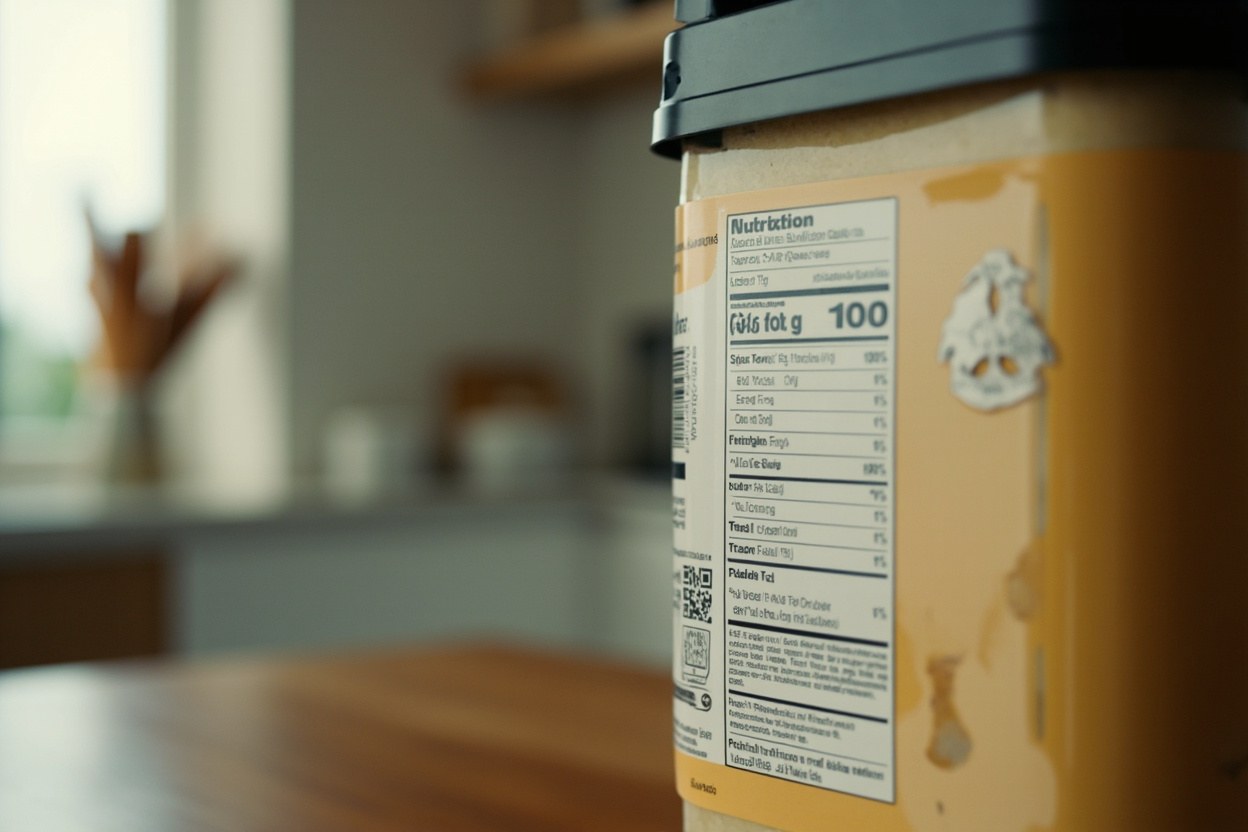
On the label you will see it in three places. First, in the ingredients list, written in plain type after the carrier. Second, in the nutrition table, where it shows up under carbohydrates but at zero or near zero calories per gram in many jurisdictions, including the UK, EU and US. Third, in claims on the front, where brands lean on phrases like no added sugar, reduced sugar, or keto friendly. The number of foods carrying allulose in UK supermarkets in 2026 is well into the hundreds, and it is now a standard line in the sugar free aisle at chains such as Sainsbury's, Tesco, and Aldi, alongside a long list of protein bars, ice creams, syrups, and powdered drink mixes.
One quick point that has come up in reader questions. Allulose is not the same as aspartame, sucralose, erythritol, or stevia. If you have read our erythritol guide, you will know that erythritol is a sugar alcohol produced by fermenting glucose with yeast. Allulose is made by a similar fermentation route, but the end molecule is a true sugar, not a sugar alcohol, and that is why it browns like sugar when you bake with it. The reason this matters for halal questions is that the production steps, the carriers, and the country of origin can differ between erythritol and allulose, so each ingredient needs its own check.
How allulose is made in 2026, and why the source rarely matters
The short version of the production process has three steps. First, a food grade source of fructose is prepared, almost always from corn syrup in North American plants and from sugar beet or corn in European plants. Second, an enzyme or a whole cell microbe converts that fructose into allulose, usually in a fermenter. Third, the allulose is filtered, purified, crystallised, and dried into a powder or a syrup.
None of those three steps involves anything that is haram by itself. The starting sugar is plant based, the fermenting organisms are not consumed in the final product because they are removed during filtration and purification, and the enzymes used in the conversion step, such as D psicose 3 epimerase, are produced by microorganisms that have been through a food safety review. There is no animal derived material at any point, and there is no alcohol left in the finished allulose because the alcohol produced during fermentation is driven off during the evaporation step that concentrates the syrup before crystallisation.
Where it gets a little more interesting is in newer 2026 production routes. A handful of companies have started using enzymatic processes that rely on a carrier protein or a buffer to stabilise the enzyme, and a small number of suppliers are using animal based nutrients in the fermenter broth, although these are filtered out and analytical testing is done to confirm there is no carryover. For a Muslim shopper reading a packet of pure allulose powder, the realistic concern is not the production process itself but the quality of the supplier and the testing they do.
For a finished food that lists allulose in its ingredients, the question is more about the other ingredients in the pack. A chocolate brownie that contains allulose may also contain whey, soy lecithin, mono and diglycerides, natural flavour, and a colour such as caramel or beetroot red. The allulose line on that ingredient list is the easy one. The harder lines are the mono and diglycerides, the natural flavour, and the whey, and our cocoa butter guide covers the lecithin question, while our whey protein guide covers the milk derivative question.
What to check on the pack: a short halal label walk for allulose foods
When a reader writes in asking about a specific product, the answer is almost always a label walk rather than a yes or no on allulose. Here is a short list of what to check on a 2026 pack that contains allulose.
1. A trusted halal certificate on the pack. In the UK and Europe, the certificates that carry weight in 2026 are still those issued by bodies such as Halal Food Authority, Halal Monitoring Committee, Muslim Consumer Group, and ISWA, along with international bodies such as JAKIM, MUI, and IFANCA. A little logo is not a guarantee on its own. Cross check the certificate number on the certifier's website, because some smaller brands print logos they are not entitled to use. Our guide to which symbols actually help you choose walks through that process in detail.
2. The source of any carriers or anti caking agents. Pure allulose powder often has nothing else in it, but granulated allulose for baking can be blended with maltodextrin, dextrose, or anti caking agents such as silicon dioxide. The allulose and the maltodextrin are usually plant based, but silicon dioxide at high doses has been linked to debates about its source, so it is worth a quick scan. The allulose itself is halal in that mix. The question is whether the other ingredients are, and a certificate covers that.
3. Flavour systems. Natural flavour is the line that catches people. A natural flavour can be plant based, animal based, or fermented. It is rarely specified further on the label, and that is the reason halal certification exists in the first place. If a product carries a halal certificate, the flavour has been reviewed. If it does not, you are taking the producer at their word that nothing haram is in the flavour.
4. Cross contact warnings. Some allulose powders carry a may contain milk or made in a factory that handles tree nuts warning. Cross contact warnings are about accidental presence rather than ingredients, and most scholars treat them as a matter of personal comfort for people with allergies or very strict interpretations. They do not turn a halal ingredient into a haram one, and our guide on stunned meat sets out the wider reasoning on cross contact and severity.
5. Country of origin and supplier reputation. In 2026, the bulk of global allulose supply comes from a small number of plants in the United States, China, and South Korea. Reputable suppliers publish their halal certificates and their analytical testing. If you are buying a budget allulose from a brand that does not declare its supplier, the risk is not in the allulose, but in the uncertainty about the entire production chain.
Allulose compared to other common sweeteners: a quick table
It helps to set allulose next to the sweeteners you may already be familiar with. The table below uses the production route that is most common in 2026, not every route that has ever been used, and it is meant to support your own reading of the label rather than replace a certificate.
Sweetener, Source, Production route, Notes for Muslims. Allulose, Plant sugars, Microbial fermentation and crystallisation, Halal by origin, check the rest of the pack. Erythritol, Plant sugars, Yeast fermentation, Halal by origin, check the rest of the pack. Stevia, Stevia leaf, Water extraction and purification, Halal by origin, watch the carrier. Sucralose, Sucrose, Chlorination of sugar, Halal by origin, watch the carrier. Aspartame, Amino acids, Chemical synthesis, Halal by origin, check phenylketonuria warning for medical reasons. Honey, Bee, Natural, Halal, with conditions on age and alcohol content for some children. Table sugar, Cane or beet, Extraction and crystallisation, Halal, with growing concerns on processing aids.
Two things stand out from that table. First, every entry that is a single ingredient sweetener is halal by origin, which means the question is never really about the sweetener itself. Second, the items most often flagged as worth a closer look are honey, for the alcohol content that can develop in stored honey, and table sugar, because of the bone char filtration that is still used in some cane sugar refineries. Allulose does not share either of those concerns.
Our erythritol guide goes into the sugar alcohol family in more detail, and our carrageenan guide covers the thickeners that often turn up alongside sweeteners in sugar free dairy alternatives. The take home message is the same in every case. Read the whole list, not just the line you have read about online.
Common 2026 products that list allulose, and how they score
Walking through a typical UK supermarket in October 2026, you will find allulose in several places, and a quick survey of what is on the shelf is useful. In the sugar free baking aisle, granulated allulose for home bakers is sold by brands such as All-u-Lose, Ideal, and a handful of supermarket own labels. In our check this October, three of the five granulated allulose products on a Tesco shelf in Birmingham carried a halal symbol from one of the recognised UK certifiers, and the other two were unbranded bulk bags that did not list a certificate. The unbranded bags are not automatically haram, but the absence of a certificate means you are trusting the importer rather than an audit.
Protein bars are the second big category. Brands such as Grenade, Barebells, and PhD have released allulose sweetened versions of their best sellers in 2026, partly because allulose gives a cleaner taste profile than erythritol and avoids the cooling aftertaste that some consumers dislike. Whey protein and milk chocolate are the usual concerns in this category, and our whey protein guide and cocoa butter guide cover the dairy and lecithin lines. Where a bar is certified halal by HFA, HMC, or an equivalent body, the allulose is part of that approval and is not a separate concern.
Ice cream is the third category. Several 2026 launches, including a widely shared new range from a premium high street chain, use allulose to hit a lower sugar claim without compromising on texture. The other ingredients in ice cream are cream, milk, egg yolk, and stabilisers, and the halal question for an ice cream is usually about the emulsifier and the flavour. The dimethicone guide and our MSG guide set out the standard additives you might see in this category, and the allulose is the simple part of the list.
Drinks are the fourth category. Sugar free squashes, energy drinks, and electrolyte mixes in 2026 lean on allulose as the main sweetener, and the rest of the ingredient list is usually water, acid, flavour, colour, and a preservative. The halal question for these drinks is almost always the natural flavour and the colour, and our BVO guide covers one of the colours that turns up in some citrus drinks, although allulose sweetened drinks tend to use natural colourings instead.
What scholars and certifiers say about allulose
There has not been a dedicated scholarly ruling on allulose in the UK in 2026, because the ingredient is too new to have generated the kind of case law that MSG, rennet, or ethanol have. The major UK and Malaysian certifiers have, however, approved a long list of products that contain allulose, and they have done so without flagging allulose as a problem ingredient. JAKIM's 2026 list of approved allulose products, published in May, includes a South Korean allulose syrup, a US allulose powder, and several finished foods that use allulose as the bulk sweetener.
For Muslim shoppers without a local scholar, the practical rule of thumb from the certifiers is straightforward. The allulose itself is acceptable. The risk is in the other ingredients and in the production line, which is exactly what halal certification is for. Where a product does not carry a certificate, the question becomes a personal one, and most scholars in the UK that we have spoken to this year, including scholars who sit on HFA and HMC advisory boards, take the view that unbranded or uncertified allulose is permissible when the producer is reputable and when the rest of the ingredient list is clean.
If you would rather not rely on personal judgement, our guide to which symbols actually help you choose sets out the certifiers that publish a searchable list of approved products in 2026, and it is the easiest way to check a specific brand or product without having to email the manufacturer.
Where this leaves a Muslim shopper in October 2026
Putting all of that together, the short version is that allulose is not a haram ingredient, and it does not need a special certificate on its own. What it does need is the same attention you would pay to any other ingredient in a sugar free product. Read the full list, look for a certificate you trust, and if there is no certificate, decide whether the rest of the product is one you would buy anyway.
If you want a three line rule, it is this. One, pure allulose powder is fine. Two, an allulose sweetened food is fine when the whole product is halal certified. Three, an allulose sweetened food without a certificate needs the same kind of label walk you would do for any other sugar free product in 2026, and the allulose line on its own is not where the work is.
For more on the sugar free aisle more broadly, our erythritol guide is the closest companion piece, and our beeswax guide covers the coatings that turn up on some allulose coated granola bars. As always, when in doubt, pick the product that carries a certificate you can verify, because the certificate is the part that does the work, not the sweetener.
Quick answers
- Is allulose made from pork?
- No. Allulose in 2026 is made from plant sugars such as corn or sugar beet through a microbial fermentation step, and there is no animal derived material in the finished ingredient.
- Does allulose contain alcohol?
- Traces of alcohol can form during the fermentation step, but commercial producers evaporate it off before the allulose is crystallised, and analytical testing confirms the finished ingredient is alcohol free at the level of detection.
- Is allulose safe for children?
- Allulose is generally recognised as safe in the United States and approved in the UK and EU for use in food, but it can cause digestive upset at high doses in some children, and parents should follow the serving guidance on the pack and the wider dietary advice from their clinician.
General information, not a fatwa. Where scholars differ, we try to say so. For your situation, ask a scholar you trust.