Pantry
Is Peanut Butter Halal? A 2026 Label Guide for Families
Updated 8 November 2026
Peanut butter is usually halal, but additives, flavourings and cross contamination can affect whether a particular jar meets a Muslim shopper’s needs.
Is peanut butter halal in 2026?
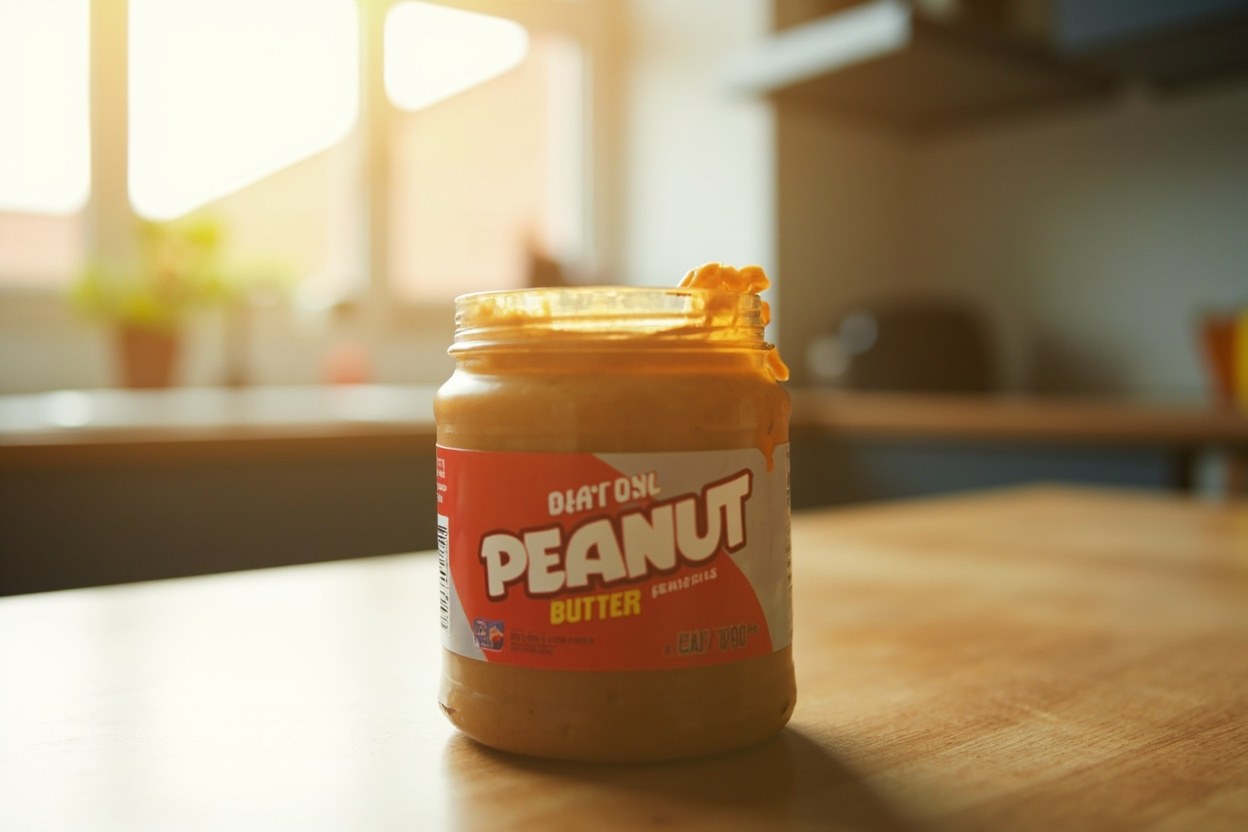
Most peanut butter sold in the UK is made from peanuts, and sometimes salt, so it is generally considered halal. The central question is not the peanut itself but what else has been added and how the product has been handled.
Some jars contain sugar, palm oil, rapeseed oil or sunflower oil. These are not automatically haram. Their suitability depends on the processing and any source of animal derived ingredients. Sugar, for example, may be listed without explaining whether bone char was used during refining. This does not automatically make the peanut butter haram, but conscientious shoppers may want to check with the manufacturer or use a product with suitable assurance.
Flavours and additives deserve a separate look. A natural flavour can be used in foods that are broadly acceptable to many Muslims, yet its source may not be identified on the front label. The ingredient list should show whether there are ingredients such as gelatin, animal fats, whey or other potentially animal derived substances. Peanut butter does not normally contain these, but flavoured and premium varieties can.
Check the ingredients and allergen statement every time you buy. Recipes and formulations change, so a judgement about one jar should not automatically be applied to a different brand or a future batch. Keep the batch or best-before information with any certificate you save, because a certification may cover only selected varieties rather than every product in the range.
Halal certification bodies can provide independent assurance when a company has been audited against an accepted halal standard. A mark is helpful, but shoppers should still read the ingredients because a certified product can contain several different varieties of peanut butter.
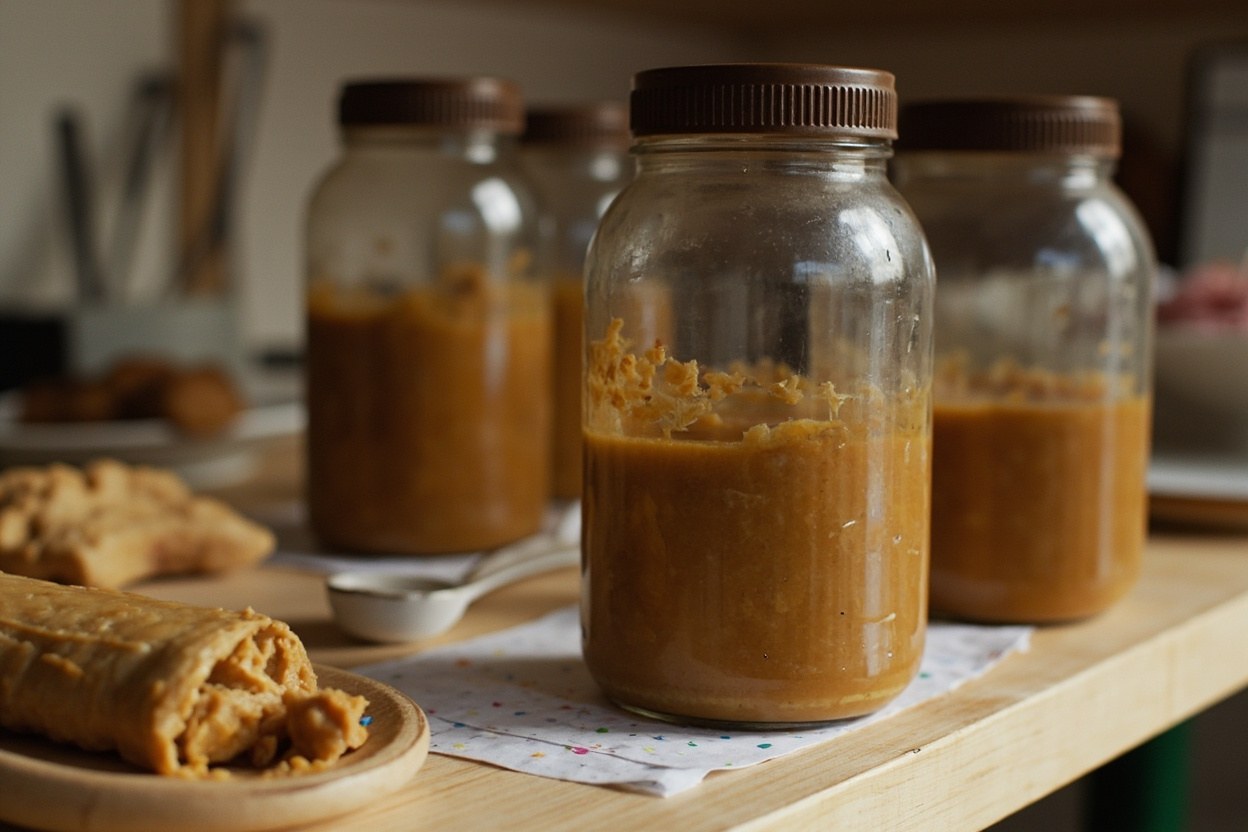
What to check on a peanut butter label
Begin with the product name and ingredient list. Look for peanuts, salt and any added sweeteners or oils. If the jar says that it contains peanut and other ingredients, ask what those ingredients are and whether their source has been verified.
For plain products with a short ingredient list, the decision is usually straightforward. Products containing natural flavours, colourings or additives need a little more attention. You can also check whether the brand gives manufacturing or allergen information, since shared equipment may matter for people with severe allergies or for shoppers seeking a stricter halal assurance.
A useful way to check a jar is to read it in a fixed order. First identify the exact variety, such as smooth, crunchy or reduced-fat. Then read the full ingredient list from top to bottom, including ingredients printed in small type. Next, check the manufacturer, storage instructions and allergen statement. Finally, look for a halal mark and record its certifying body and certificate reference. This prevents a shopper from confusing a prominent front-of-pack claim with certification for the particular jar being purchased.
Some brands use a halal logo or state that the product is suitable for halal consumption. Treat this as one piece of information rather than a substitute for reading the jar. Certification can change between products, brands and batches, so verify the current certificate where possible.
If the label is silent, contact the manufacturer and ask three specific questions: which animal derived ingredients, if any, are present; whether the ingredients have been assessed for halal suitability; and whether the product is covered by halal certification. Keep the response with the receipt or product details so that you can refer to it later.
For families, the most practical approach is to keep a small pantry checklist. Record the brand, product variety, ingredient list and certification status. This is especially useful when buying reduced-price jars or switching between smooth and crunchy formats.
Plain versus flavoured peanut butter
A simple table can help you compare the usual choices without assuming that every product is the same.
| Type | What to look for | Halal judgement |
|---|---|---|
| Plain peanut butter with peanuts and salt | Short ingredient list, clear allergen information | Generally halal |
| Peanut butter with sugar or plant oils | Source of sugar, type and origin of oil, any shared processing information | Often suitable, but check the details |
| Flavoured peanut butter | Natural flavours, cocoa, chocolate ingredients, additives or colourings | Check each ingredient and seek assurance if unclear |
| Peanut butter carrying a halal mark | Current certificate and the product variety covered | Stronger assurance when the mark is genuine and current |
| Loose or bulk peanut butter | Handling, scoop, container and source information | Ask how it is stored and served |
There is no need to reject a product merely because it contains palm oil or sugar. The relevant questions are about source, processing and any uncertainty that has not been resolved. Many ordinary pantry ingredients fall into this category, and clear company information can be more useful than trying to guess from the front of the jar.
For example, a crunchy jar listing peanuts, palm oil and salt may be suitable once the oil and processing have been confirmed. A chocolate-spread jar containing milk solids, cocoa and natural flavour would need closer checking, particularly if the milk source or flavour processing is not stated. The comparison is not simply between sweet and savoury products; it concerns what each ingredient is and how it was handled.
You can also compare information from the Muslim Consumer UK directory and ask a UK halal certification organisation whether a brand or ingredient falls within its current approved scope.
Is peanut butter halal when it is sold in a café or supermarket?
Supermarket peanut butter is usually straightforward when the jar is sealed and the ingredients are clear. Café and restaurant peanut butter can be less predictable. A spread served from a large container may have been handled with other products, and the label may have been prepared for general food use rather than halal assurance.
Ask whether the peanut butter is the same product sold in retail packaging and whether the establishment follows halal procedures for preparation and service. For a Muslim diner who is comfortable with general food handling, the practical concern may simply be the ingredients. For others, a recognisable certified brand or clear supplier information offers greater confidence.
For loose peanut butter, check whether it comes from an original branded container or is transferred into a communal jar. If it is transferred, ask which brand and variety was used, whether the utensils are dedicated and whether any other product has been served with them. A café may not be able to provide certification details even when the ingredients are acceptable, so answers to these questions help set expectations before ordering.
People with a peanut allergy should never rely on a halal mark as an allergen guarantee. The allergen statement and advice from a healthcare professional remain separate from the religious question.
Quick answers
- Is peanut butter halal if it contains sugar?
- Sugar does not automatically make peanut butter haram, but some shoppers wish to verify its processing. If the sugar’s source or refining method is unclear, ask the manufacturer or choose a product with halal assurance.
- Does a halal logo on peanut butter mean it contains no allergens?
- No. Halal certification concerns religious permissibility, not the absence of peanut or other allergens. Read the allergen statement and take care if you have a severe allergy.
- Is natural flavour in peanut butter halal?
- Natural flavour is not automatically halal or haram; its source and processing determine the answer. Check the ingredient list and ask the company for details if the source is not clear.
General information, not a fatwa. Where scholars differ, we try to say so. For your situation, ask a scholar you trust.